
The short version
- Hybrid systems combine a heat pump and a gas boiler.
- Changeover logic optimises fuel use based on external conditions.
- Pipework and controls integration are key for efficient operation.
- Not all homes are suitable; insulation is a major factor.
How the Changeover Logic Works in a Hybrid System
The core of a hybrid heating system's efficiency lies in its sophisticated control logic. This system continuously monitors several parameters, most crucially the outside air temperature. When temperatures are moderate, the heat pump is the primary heat source. As the temperature drops, the system assesses whether the heat pump can still meet the heating demand efficiently. If not, the gas boiler is engaged. Some systems also consider energy tariffs to decide which heat source is more cost effective at any given time. The goal is always to utilise the most efficient or economical heating method available for the current conditions.
- Monitors outside air temperature.
- Switches between heat pump and boiler automatically.
- Aims for optimal efficiency or economy.
- Prevents simultaneous operation where possible.
Which Homes Suit a Hybrid Heating System?
Hybrid systems are often a practical choice for homes that might not be fully ready for a standalone heat pump. Well-insulated properties, particularly those with good loft, wall, and floor insulation, are ideal candidates as they retain heat effectively. Homes with existing radiator systems that can accommodate lower flow temperatures from a heat pump also suit this setup. Properties where a complete overhaul of the heating system or significant insulation upgrades are not immediately feasible may benefit from a hybrid approach as a stepping stone to improved efficiency. Brogas can assess your property's suitability.
- Suits homes with good insulation.
- Ideal for properties with adequate radiator sizing.
- Beneficial where full heat pump conversion is challenging.
- Often a phased approach to lower carbon heating.
Pipework Considerations for Hybrid Systems
Integrating a heat pump with an existing gas boiler requires careful attention to the hydraulic design and pipework. Typically, the heat pump and boiler will both feed into a common heating circuit. This often involves specific pipework arrangements, such as a low loss header or a buffer tank, to ensure both appliances can operate independently and efficiently without interfering with each other's flow rates or temperatures. The existing pipework may need modifications to accommodate these components. Correct sizing and routing of new pipework are critical to ensure effective heat distribution throughout the property.
- Common heating circuit for both appliances.
- May require a low loss header or buffer tank.
- Existing pipework might need adaptation.
- Hydraulic separation is crucial for efficiency.
Controls Integration and Configuration
Effective control of a hybrid system is paramount for its performance. A dedicated hybrid controller manages the interaction between the heat pump and the boiler. This controller receives data from various sensors, including external temperature probes and internal thermostats. It then determines which appliance should operate, or if both should operate in tandem, to meet the heating demand. Proper configuration by a qualified heating engineer is essential to optimise the system's efficiency. The homeowner interacts with a single user interface, simplifying operation.
- Dedicated hybrid system controller.
- Integrates data from external and internal sensors.
- Determines appliance operation logic.
- Requires expert configuration for optimal performance.
Limitations of Hybrid Heating Systems
While hybrid systems offer flexibility, they do come with certain limitations. They require space for both the outdoor heat pump unit and the internal boiler, plus any additional components like a buffer tank. The system's overall efficiency is still partly reliant on the gas boiler, meaning it does not achieve the same carbon reduction as a standalone heat pump. Installation complexity can be higher than a like for like boiler replacement. For these systems to operate effectively, it is essential that the existing heating system is in good condition, and that radiators are appropriately sized. Incorrect setup can hinder performance.
- Requires space for both a heat pump and a boiler.
- Does not offer the same carbon reduction as a full heat pump.
- Can have higher initial installation complexity.
- Relies on existing system integrity and radiator sizing.
Professional Installation and Commissioning is Key
Installing a hybrid heating system is a complex task that requires specialist knowledge in both gas heating and heat pump technology. Brogas is a Gas Safe registered plumbing and heating business in Wigan covering Wigan and surrounding towns. Our engineers are trained to install, commission, and maintain these integrated systems. It is vital that all gas work, including any modifications to the boiler or gas supply, is carried out by a Gas Safe registered engineer. Proper commissioning ensures that the heat pump and boiler operate seamlessly and efficiently together, providing reliable warmth to your home. Never attempt to work on gas components yourself.
- Requires specialist knowledge in both technologies.
- All gas work must be performed by a Gas Safe registered engineer.
- Proper commissioning ensures optimal operation.
- Brogas provides professional installation and support.
Common questions
Can my existing boiler be used in a hybrid system?+
In many cases, yes, an existing gas boiler can be integrated into a hybrid system, provided it is in good working order and compatible with the control system. The boiler will typically act as a backup or supplementary heat source. An assessment by a qualified heating engineer is necessary to determine its suitability for seamless integration with a new heat pump unit and associated controls.
Do I need to change my radiators for a hybrid system?+
It depends on your current radiator sizing and insulation levels. Hybrid systems operate more efficiently with lower flow temperatures from the heat pump, which may require larger radiators to achieve the same heat output. However, since the boiler can provide higher temperatures when needed, some homes may not require immediate radiator upgrades. A full heat loss survey will determine if changes are necessary.
How much space does a hybrid system require?+
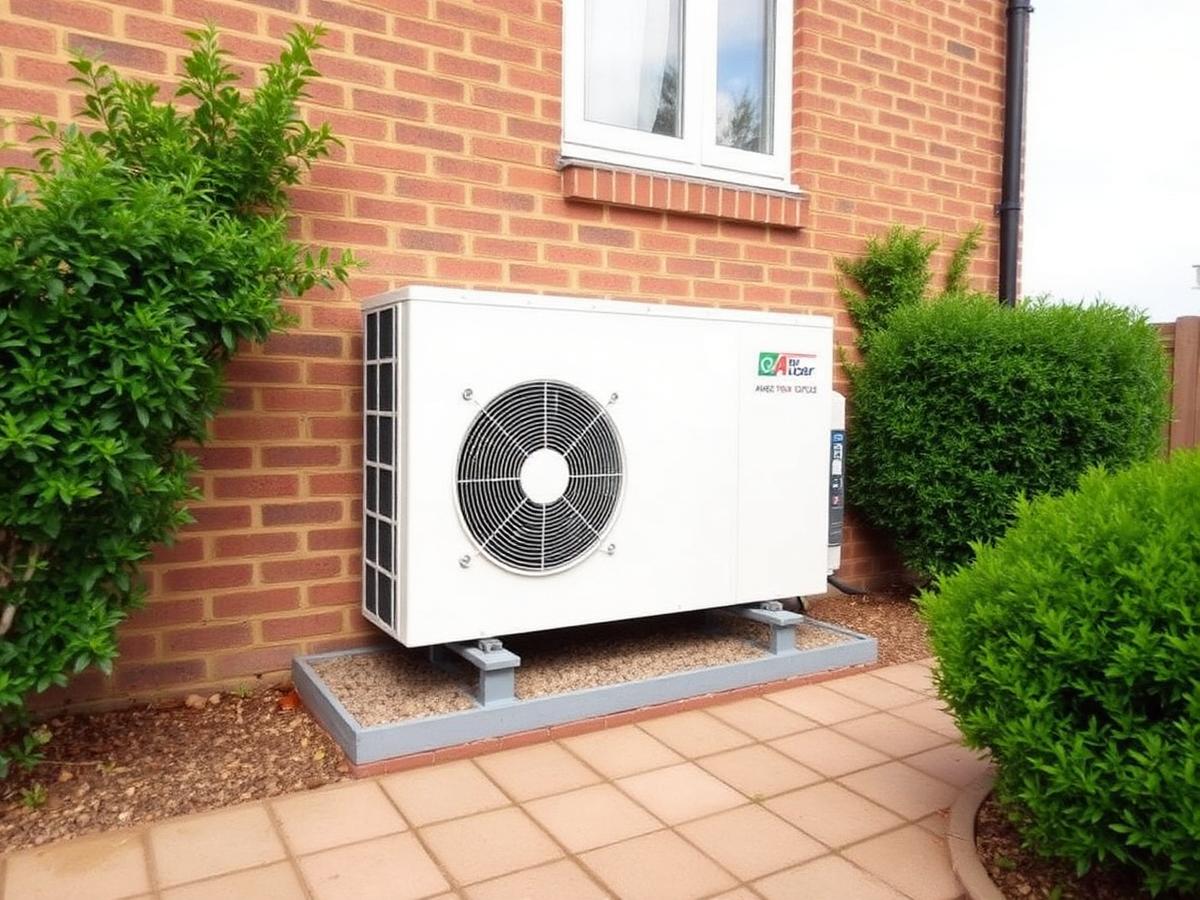
A hybrid system requires space for both the outdoor heat pump unit and the indoor gas boiler. The heat pump unit is typically installed outside your property, similar to an air conditioning unit. The boiler remains in its current location. Additionally, space might be needed for a buffer tank or low loss header, which can vary in size. A site visit helps in assessing specific space requirements.
Will a hybrid system work with my smart home thermostat?+
Many modern hybrid control systems are designed to be compatible with popular smart home thermostats, allowing for integrated control and scheduling of your heating. The hybrid controller will communicate with the smart thermostat to manage heat demand across both appliances. It is important to confirm compatibility with the specific hybrid system chosen, as integration capabilities can vary between manufacturers and models.
Is annual maintenance still required for both components?+
Yes, annual maintenance is crucial for both the gas boiler and the heat pump within a hybrid system. Regular servicing ensures both appliances operate safely and efficiently. Boiler servicing by a Gas Safe registered engineer is legally required and essential for safety. Heat pump servicing helps maintain its efficiency and extends its lifespan. Combining maintenance schedules can be efficient.
Discuss Your Hybrid Heating Options with Brogas Wigan
Contact us to explore if a hybrid heating system is the right choice for your home. We offer expert advice and professional installation.