
The short version
- Combis suit smaller homes with one bathroom and good mains pressure
- System boilers with a cylinder suit multi-bathroom homes and simultaneous demand
- Poor incoming mains flow makes a combi a bad choice regardless of house size
- Switching type is a bigger job than a like-for-like swap
How each one works
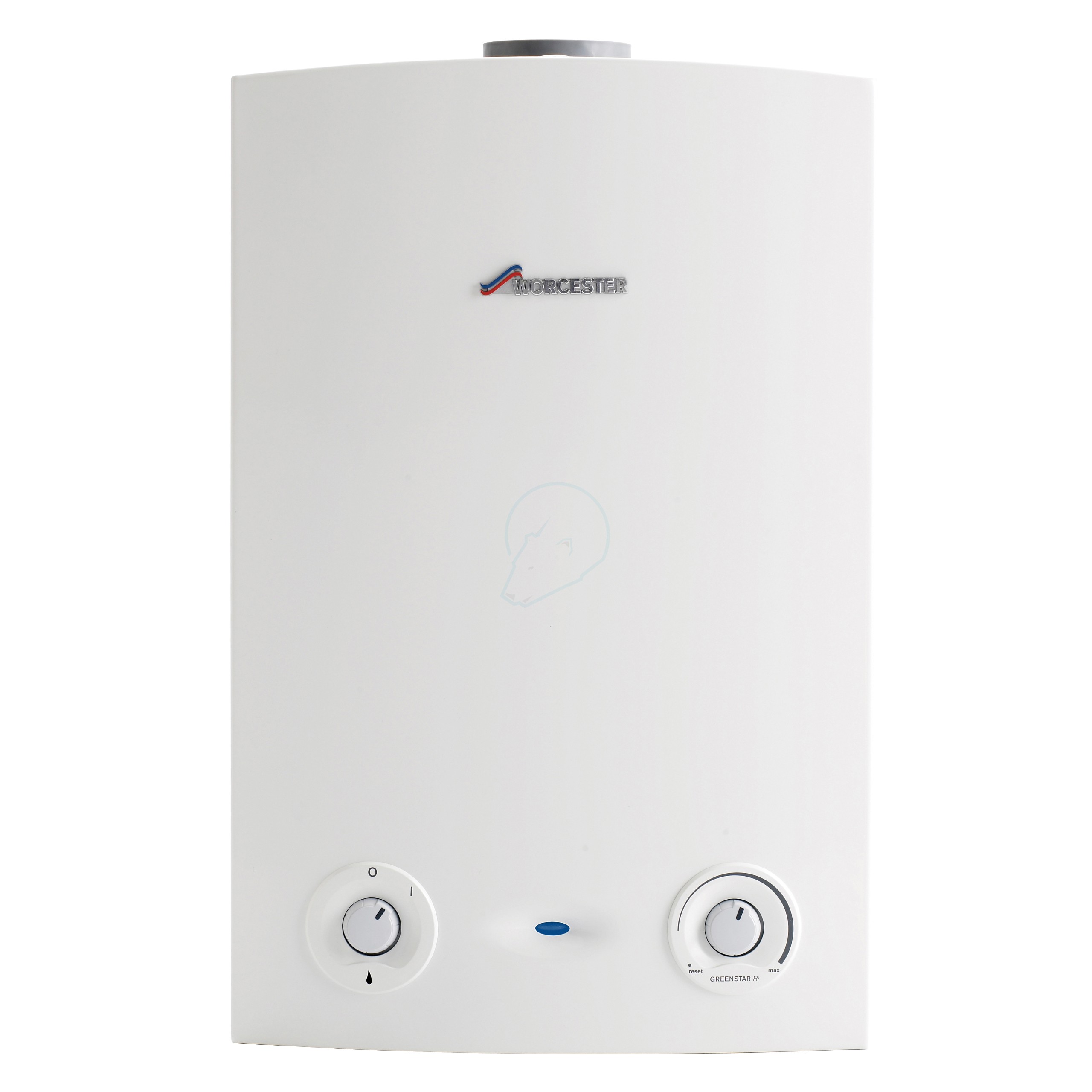
A combi heats water on demand straight from the mains — no cylinder, no tanks, instant hot water at one outlet at a time. A system boiler heats a stored cylinder, so several outlets can run at once at consistent pressure, but you can run out and need to reheat.
The decision factors
We measure rather than assume.
- Incoming mains flow rate in litres per minute — measured at survey
- Number of bathrooms and whether they get used simultaneously
- Household size and morning routine
- Airing cupboard or loft space for a cylinder
- Whether you want to add a heat pump later — that needs a cylinder
The switch nobody should make
Fitting a combi in a busy four-bedroom, two-bathroom house with weak mains pressure produces a permanently disappointing shower. If the flow rate isn't there, keeping a cylinder is the better engineering answer even though it costs more.
Thinking ahead
If a heat pump is a realistic future step, keeping or planning cylinder space now saves a much bigger job later.
Common questions
Can I switch from a cylinder system to a combi?+
Usually, if the mains flow supports it. We measure the flow rate before recommending it.
Do combis lose pressure with two showers running?+
Yes — a combi splits its flow, so simultaneous showers are where they struggle.
Is a system boiler more expensive to run?+
It has standing losses from the cylinder, but modern insulated cylinders are efficient. Usage pattern matters more.
Which is quicker to install?+
A like-for-like swap of either type is quickest. Changing type takes longer and costs more.
Not sure which boiler you need?
We measure your mains flow and size it properly, before quoting.