
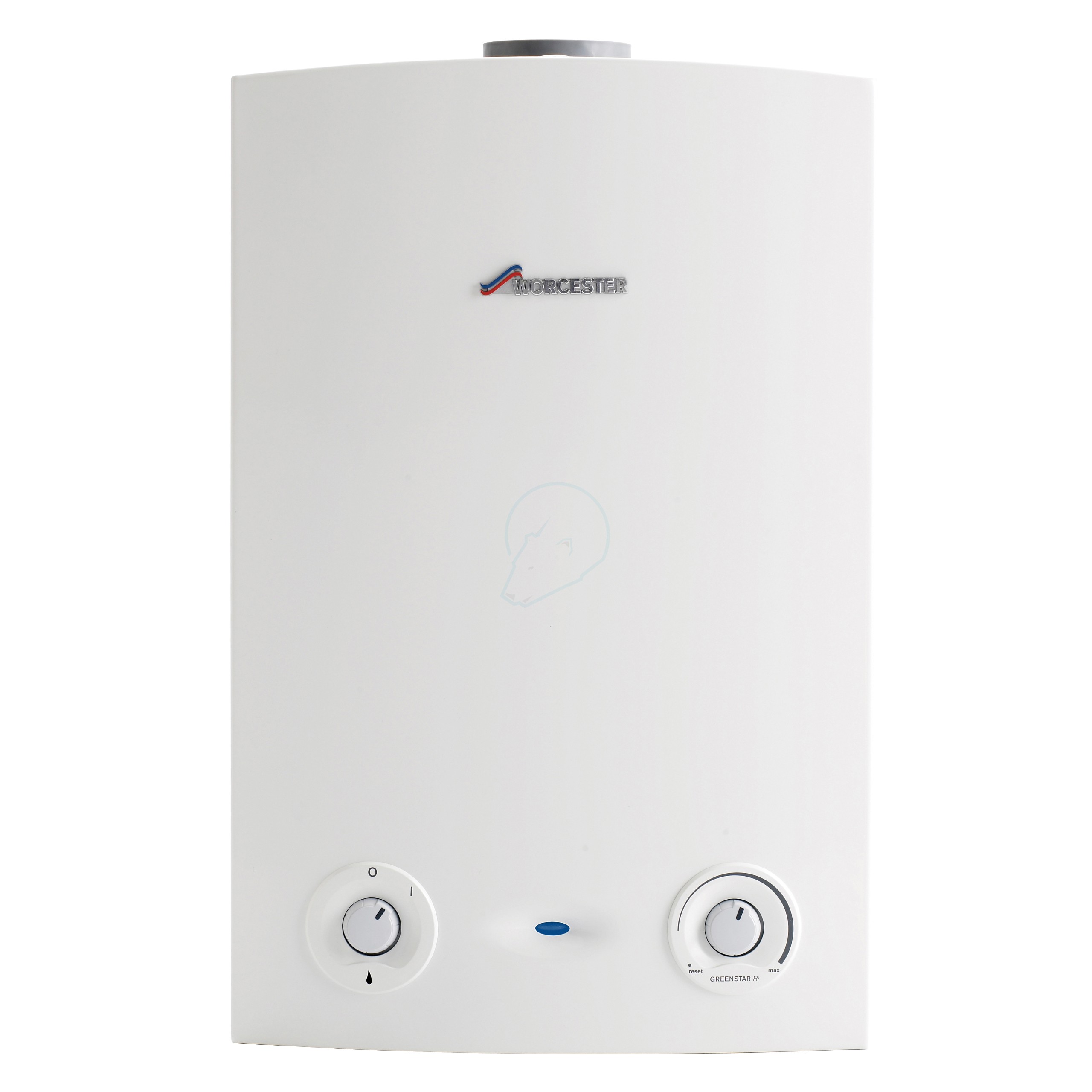
The short version
- Combi boilers suit smaller homes, one bathroom, instant hot water.
- Unvented cylinders suit larger homes, multiple bathrooms, high demand.
- Mains pressure and flow are crucial for both systems' performance.
- Professional installation and maintenance are essential for safety and efficiency.
Understanding Simultaneous Hot Water Demands
One of the most significant differences between these two systems lies in their ability to supply hot water to multiple outlets concurrently. A combi boiler heats water directly from the mains as it's needed, meaning its output is shared across any taps or showers running at the same time. If two showers are running, the flow and temperature to each might reduce noticeably. An unvented cylinder, however, stores a large volume of hot water under mains pressure. This stored supply can be drawn upon simultaneously by multiple outlets without a significant drop in flow or temperature, making it superior for homes where hot water is often needed in more than one location at once.
- Combi: Instant hot water, flow can drop with multiple uses.
- Unvented: Stored hot water, consistent flow to multiple outlets.
Bathroom Count and Household Size
The number of bathrooms and residents in your home is a primary factor in system selection. For a property with one bathroom and perhaps a separate toilet, a combi boiler often provides ample hot water without the need for a storage tank, saving space. Its instant heating capability is usually sufficient for typical daily routines. For homes with two or more bathrooms, or those with large families where showers and baths might be used concurrently, an unvented cylinder is almost always the more appropriate choice. It ensures a robust and continuous supply of hot water, preventing frustrations and cold showers during peak demand times.
- Combi: Ideal for one bathroom properties.
- Unvented: Essential for multiple bathrooms or high occupancy homes.
Mains Water Flow and Pressure Requirements
Both systems rely on good incoming mains water pressure and flow, but an unvented cylinder can make better use of it for simultaneous delivery. A combi boiler's performance is directly limited by the incoming mains flow rate. If your mains pressure or flow is low, a combi boiler may struggle to deliver adequate hot water, especially to multiple outlets. An unvented cylinder, while still needing decent mains pressure to fill, can then deliver that stored water at mains pressure. Low mains pressure may still impact how quickly the cylinder refills after heavy use. Always have your mains flow and pressure assessed by a professional heating engineer to ensure compatibility with your chosen system.
- Combi performance directly limited by mains flow and pressure.
- Unvented delivers stored water at mains pressure, but refill time affected by mains flow.
Space Considerations for a Hot Water Cylinder
A key practical difference is the need for physical space. A combi boiler is a compact, single unit that typically fits within a kitchen cupboard or utility room, eliminating the need for a separate hot water tank and often a cold water storage tank in the loft. This space-saving aspect is highly appealing for smaller properties or those where storage is at a premium. An unvented cylinder, however, requires a dedicated airing cupboard or utility space for its installation. While it needs more room, it also removes the need for a cold water tank in the loft, which can free up loft space. Consider your available property footprint carefully.
- Combi: Compact, no separate tank needed, saves space.
- Unvented: Requires dedicated space for the cylinder.
Reheat Time, Immersion Backup, and Annual Checks
An unvented cylinder, once its stored water is depleted, requires time to reheat the full tank, typically around 30 to 60 minutes depending on cylinder size and boiler power. Many unvented cylinders include an immersion heater as an electrical backup, providing hot water if the boiler fails, albeit at a higher running cost. Unvented cylinders also require an annual service check by a qualified professional to ensure all safety devices are functioning correctly, which is a regulatory requirement. Combi boilers provide continuous hot water, so reheat time is not a factor, but they do not typically have an independent backup heating method for hot water if they malfunction.
- Unvented: Has reheat time, often includes immersion backup.
- Unvented: Requires annual safety check by a qualified professional.
- Combi: No reheat time, no hot water backup if boiler fails.
Future-Proofing: Heat Pump Readiness
As homes move towards more sustainable heating solutions, considering heat pump readiness is increasingly important. Unvented cylinders are inherently well-suited for integration with heat pump systems. Heat pumps typically operate at lower flow temperatures than traditional gas boilers and perform optimally when heating a volume of water in a cylinder over a longer period. This makes an unvented cylinder a natural choice for a heat pump setup. Combi boilers, designed for instant high-temperature delivery, are generally not compatible with air source or ground source heat pumps without significant system redesigns or supplementary heating methods. If you are considering a heat pump in the future, an unvented cylinder is the better option.
- Unvented cylinders are ideal for heat pump integration.
- Combi boilers are not typically compatible with heat pump systems.
Common questions
Can a combi boiler run two showers at once?+
A combi boiler can supply two showers simultaneously, but you may experience a noticeable drop in water flow and temperature at each outlet. Its performance depends heavily on your incoming mains water pressure and the boiler's output capacity.
Do unvented cylinders need servicing?+
Yes, unvented hot water cylinders require an annual safety inspection and service by a qualified heating engineer. This is to ensure all safety components, such as pressure relief valves and expansion vessels, are working correctly and safely.
What if my mains water pressure is low?+
Low mains water pressure will impact both systems. A combi boiler will deliver a weaker flow of hot water. An unvented cylinder will take longer to refill after hot water has been used. A professional assessment is needed.
Is an unvented cylinder more efficient than a combi boiler?+
Efficiency depends on usage patterns. Combi boilers are efficient for instant use as they only heat water on demand. Unvented cylinders can lose a small amount of heat from storage, but are very efficient for high simultaneous demand. Both modern systems are highly efficient.
Can I switch from a combi boiler to an unvented cylinder?+
Yes, it is possible to switch from a combi boiler to an unvented cylinder system, but it involves significant work. This includes installing a new system boiler, the unvented cylinder itself, and all necessary pipework. A heating engineer can advise on feasibility and requirements.
Need Expert Advice on Your Heating System?
For professional guidance on combi boilers or unvented cylinders in Wigan and surrounding towns, contact Brogas.