
Next-day callout slots available for Wigan & surrounding areas

Heat Pump Heat Loss Survey — Running costs and controls in Ashton-in-Makerfield

Heat Pump Running Costs in Ashton-in-Makerfield: It's all about the design flow temperature and controls

When we're discussing heat pumps in properties around Ashton-in-Makerfield, especially those older Edwardian terraces or 1950s semis, the first thing customers want to know is how much it's going to cost to run. It's a fair question, and the answer isn't simple. The truth is, a poorly designed heat pump system, even in a well-insulated home, can end up costing more to run than a gas boiler. The difference between a heat pump that works effectively and one that doesn’t often comes down to a proper heat loss survey informing the design, particularly around achieving the lowest possible flow temperature and how the system is controlled.

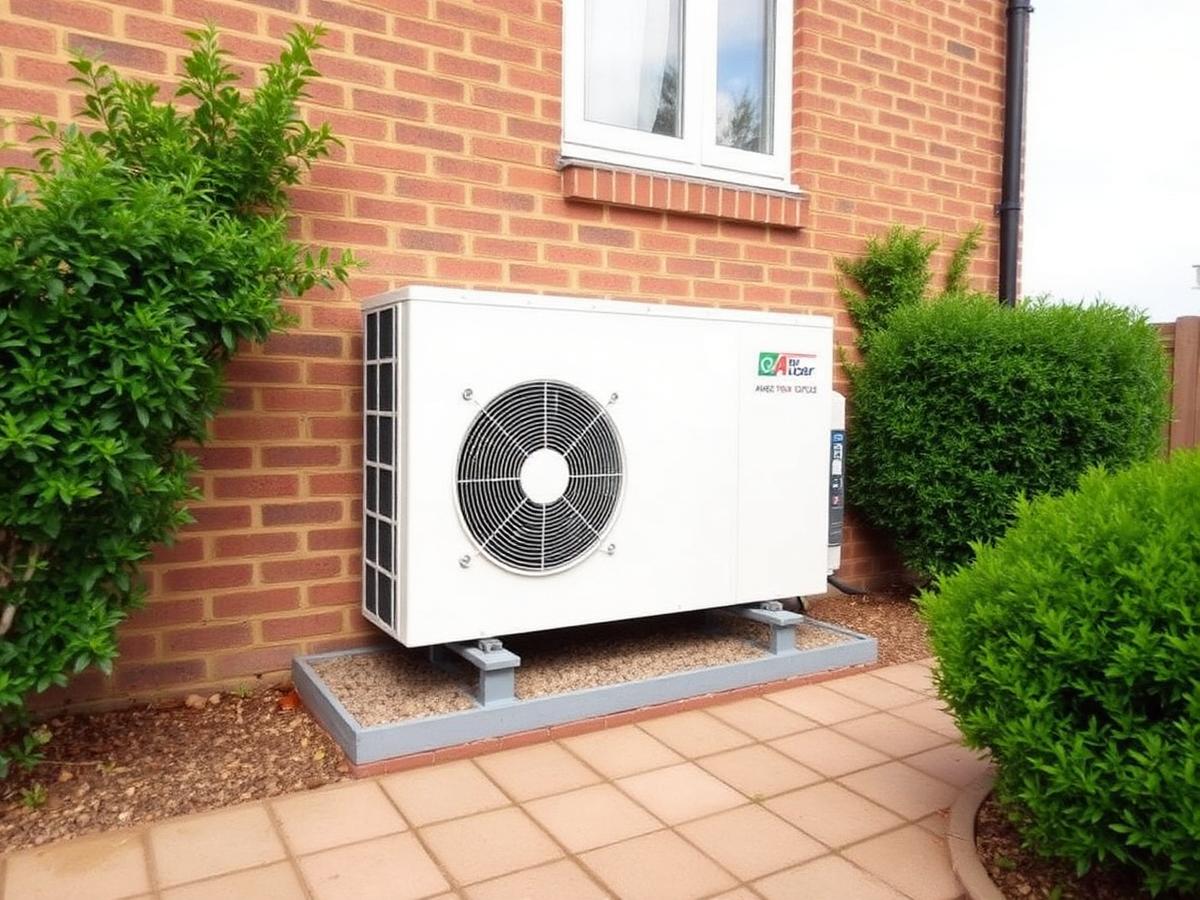
Technical drawing showing a heat pump system's control panel and a thermal comfort curve, illustrating efficient operation and control strategy for optimised running costs.

Typical heat pump heat loss survey — running costs and controls work in Ashton-in-Makerfield

For Ashton-in-Makerfield householders and landlords dealing with running costs and controls. Local housing stock — Edwardian terraces along Warrington Road and generous 1950s semis toward Bryn — shapes how this work is carried out.

  • You're concerned about actual running costs for a heat pump.
  • You want to understand how tariffs affect your heat pump bills.
  • You need to know if your radiators will work efficiently with a heat pump.
  • You want to optimise your heat pump's control strategy.
  • You need an honest assessment of heat pump suitability for your property.

The Link Between Heat Loss, Flow Temperature, and Your Bills

Every heat pump has an optimal operating point, which is usually at a lower flow temperature than you might be used to with a gas boiler. If your heat loss calculation indicates that your home needs a 55°C flow temperature to stay warm, the heat pump will work harder and less efficiently than if it only needed 35°C. This directly translates to higher electricity consumption and therefore, higher running costs. Our room-by-room heat loss survey isn't just about sizing the heat pump; it's fundamental to designing a system that operates at the lowest viable flow temperature, driving down your running expenditure.

  • Lower flow temperature means higher efficiency
  • Higher efficiency means lower running costs
  • Accurate heat loss determines achievable flow temperature

Existing Radiators, Hot Water, and Tariff Strategy

It's not just about the heat pump itself; the components it interacts with are crucial. Your existing radiators, for instance. If they're too small for lower flow temperatures, the heat pump will have to push warmer water, reducing its efficiency. We assess each radiator's output at heat pump flow temperatures, providing a realistic list of what might need upsizing. Similarly, hot water cylinder sizing is vital. An undersized cylinder means more frequent heating cycles, increasing electricity use. Finally, we'll discuss the impact of your electricity tariff. Some tariffs are much better suited to heat pump operation, offering cheaper rates at specific times.

  • Radiator output assessed at lower flow temps
  • Hot water cylinder sizing for household demand
  • Understanding time-of-use electricity tariffs

Smart Controls and Optimised Performance

Beyond the hardware, how you control your heat pump significantly impacts running costs. A heat pump isn't a boiler; it thrives on consistent, lower-temperature heating rather than on/off cycles. We'll explain how modern smart controls can be configured to maintain comfort efficiently, learning your home's thermal characteristics and responding to external temperatures. This prevents unnecessary energy usage and ensures the system only provides heat when and where it's needed, minimising the strain on your wallet. A well-designed control strategy is key to unlocking the true efficiency potential.

  • Control strategy for consistent, low-temperature heating
  • Smart controls for learning and optimisation
  • Avoidance of costly on/off cycling

Local facts — Ashton-in-Makerfield

Postcode
WN4
Council
Wigan Council
Nearest road
A49 Warrington Road
From Wigan
4 miles south

Ashton-in-Makerfield is a busy market town on the A49 corridor, with Haydock Park racecourse as the local landmark.

Why locals choose Brogas here

Brogas is a Gas Safe registered plumbing and heating business covering Wigan and the surrounding towns. We conduct thorough room-by-room heat loss calculations to recognised methodologies. We assess radiator outputs at heat pump flow temperatures and hot water cylinder sizing to provide a realistic assessment and help design an efficient system.

Nearby areas we also cover

Ashton-in-Makerfield FAQs — heat pump heat loss survey — running costs and controls

How does a heat loss survey help with running costs?+

A heat loss survey pinpoints how much heat your property loses. This allows us to design a heat pump system that runs at the lowest possible flow temperature, which is directly linked to higher efficiency and lower electricity consumption, thereby reducing your running costs.

Will my existing radiators work with a heat pump?+

We assess your existing radiators' output at typical heat pump flow temperatures. If they're undersized for these lower temperatures, they'll struggle to heat your rooms adequately, forcing the heat pump to work harder and less efficiently. We'll advise if upsizing is needed.

How important is the electricity tariff for heat pump running costs?+

Very important. Heat pumps run on electricity. Some tariffs offer cheaper rates during off-peak hours, allowing your heat pump to heat your home or hot water more affordably. Aligning your operation with such a tariff can significantly reduce your overall running expenditure.

What's the best way to control a heat pump for efficiency?+

Heat pumps are most efficient when maintaining a consistent, lower temperature rather than cycling on and off. Smart controls, configured correctly, can learn your home's thermal characteristics and optimise the system's operation, reducing energy waste and keeping running costs down.

In summary

Running costs are driven by design flow temperature, efficient controls, and appropriate tariff use. Our heat loss survey and design focus on these factors to ensure your heat pump operates effectively and economically in Ashton-in-Makerfield.