
Next-day callout slots available for Wigan & surrounding areas

Diagnosis: Recognising Siting Challenges Early

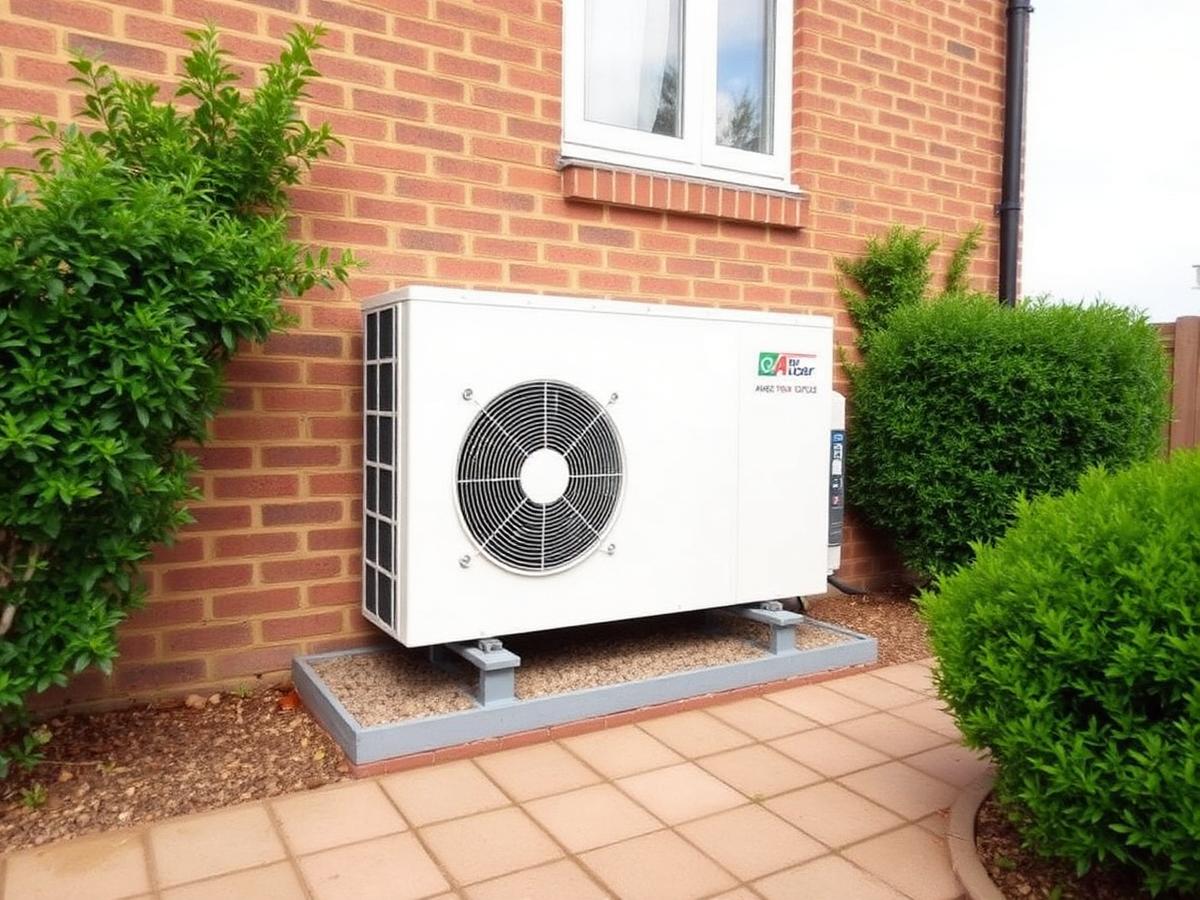
Before any equipment is ordered, our survey focuses on potential conflict points. A common issue is a lack of sufficient distance to boundaries, especially in 1970s cul-de-sacs where properties are often closer together. Another is the proximity to bedroom windows, either yours or a neighbour's. Hard, reflective surfaces like a tall garage wall or a boundary fence can amplify noise, even from units designed to be quiet. We check these factors to prevent issues arising after installation. Condensate discharge routing is also crucial; we need to ensure it won't freeze on pathways in winter.

  • Boundary distance and permitted development checks
  • Proximity to bedroom windows assessed
  • Reflective surfaces identified
  • Airflow clearance requirements verified
  • Condensate discharge path planning

Cost Drivers: Avoiding Unforeseen Expenses

Opting for a heat pump when siting is marginal often leads to unexpected costs, or worse, ongoing issues. If the only viable location is too close to a neighbour's boundary, we might advise against it. The cost of sound baffling or extensive landscaping to mitigate noise often outweighs the benefits, making the project uneconomical. Similarly, if extensive groundwork is needed to create a stable, anti-vibration base or to route condensate safely, it adds significant expense. Our advice aims to prevent a situation where initial savings are eroded by remedial work or compromise.

  • External sound mitigation costs
  • Extensive groundwork for base preparation
  • Complex condensate drainage solutions
  • Potential property boundary disputes
  • Compromised system performance

Prevention: Our Recommendation for Waiting

Sometimes, the most responsible advice is to wait. For properties with tight outdoor space, particularly older stone cottages near Upholland Road, where preserving character and managing noise are equally important, a heat pump might not be feasible without significant compromise. If planned extensions or landscaping could open up better siting options in the future, we'll suggest holding off. Government schemes for heat pumps exist and do change, so keeping an eye on official guidance while you refine your property's suitability is a sensible approach.

  • Consider future property modifications
  • Review property layout changes
  • Monitor government scheme updates
  • Assess neighbour relations proactively
  • Explore alternative heating solutions

Typical heat pump noise and siting — when a heat pump is not the answer yet work in Orrell

For Orrell householders and landlords dealing with when a heat pump is not the answer yet. Local housing stock — 1970s cul-de-sacs off Orrell Road and older stone cottages near Upholland Road — shapes how this work is carried out.

  • Your garden has limited space, especially near boundaries.
  • Your neighbour's bedroom window is very close to a potential unit location.
  • Your property has hard, reflective surfaces near where a unit would sit.
  • You live in a terraced or semi-detached property with minimal side access.
  • You want to avoid any potential for neighbour complaints about noise.

Why locals choose Brogas here

As a Brogas Gas Safe registered engineer, I conduct thorough surveys of your property. We meticulously assess all siting and noise factors to provide a transparent, honest recommendation. You receive a clear, unbiased appraisal of your home's suitability.

Orrell FAQs — heat pump noise and siting — when a heat pump is not the answer yet

Can anti-vibration mounts solve all noise problems?+

Anti-vibration mounts significantly reduce noise transmission through the building structure. However, they don't address airborne noise. Proper siting, away from reflective surfaces and windows, is still critical for managing overall sound levels and ensuring neighbour comfort.

What does 'permitted development' mean for siting a heat pump?+

Permitted development rules define what changes you can make to your home without needing full planning permission. For heat pumps, this includes limits on size, location relative to boundaries and other buildings, and noise levels. We check these specifically for Wigan Council guidelines.

My property in Orrell is a 1970s cul-de-sac house, are these typically problematic?+

Properties in 1970s cul-de-sacs off Orrell Road often have smaller gardens and closer proximity to neighbours compared to detached homes. This can make finding an ideal, noise-friendly location for a heat pump unit more challenging, necessitating careful assessment.

What if I'm planning an extension that might change the siting options?+

If an extension is in your plans, it's often best to wait until that work is complete. An extension could create new, more suitable spaces for a heat pump, or it might reduce existing viable options. Planning for both concurrently is ideal.

In summary

For heat pumps, noise and siting are critical. We prioritize honest advice, even if it means recommending against immediate installation in Orrell, to prevent future issues.