
Next-day callout slots available for Wigan & surrounding areas

Glow-worm — Ignition lockouts and flame sensing in Pemberton

Glow-worm Ignition Lockout in Pemberton: F1, F22 and Flame Sensing

When your Glow-worm boiler, whether it's an Energy, Betacom, or Ultimate model, throws up an F1 or F22 fault code, many customers assume it's simply a pressure issue. While low pressure is a common cause for F22, these codes, particularly F1, often point directly to problems with the boiler's ignition or flame sensing. It's not always about topping up the system. Understanding the specific behaviour of these lockouts helps in diagnosing whether it's a gas supply problem, a faulty electrode, or something more intricate with the ignition sequence. Ignoring persistent ignition issues can lead to more significant component wear. We're Gas Safe registered and familiar with these common Glow-worm quirks across Pemberton.

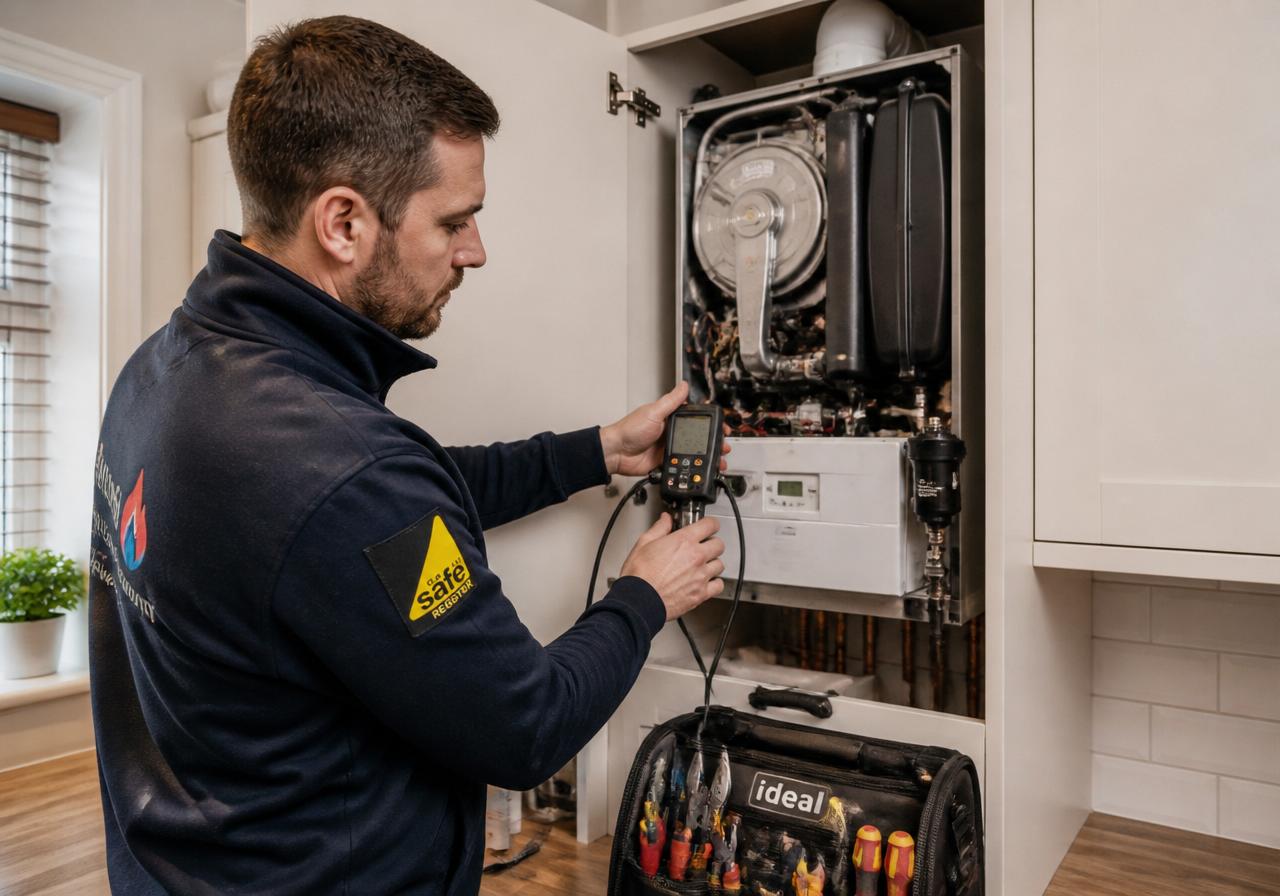
A close-up of a Glow-worm boiler's ignition electrodes and burner during a diagnostic check.

Typical glow-worm — ignition lockouts and flame sensing work in Pemberton

For Pemberton householders and landlords dealing with ignition lockouts and flame sensing. Local housing stock — dense terraced streets around Ormskirk Road and 1950s semis toward Norley Hall — shapes how this work is carried out.

  • Your Glow-worm boiler displays F1 or F22.
  • The boiler tries to ignite but fails repeatedly.
  • You smell gas but boiler doesn't fire up.
  • Boiler ignites then immediately shuts down.
  • Persistent pilot light issues on older Glow-worm models.

Understanding Glow-worm Ignition Lockout Behaviour

Glow-worm boilers are designed to lockout if they detect a failure in the ignition process or cannot sense a flame after ignition. An F1 code typically indicates a failure to ignite or a flame loss, while F22 can sometimes be triggered if the boiler attempts to fire with insufficient system pressure, which can prevent the ignition sequence from completing correctly. The boiler will make several attempts to ignite before entering a full lockout. This is the boiler’s safety mechanism to prevent unburnt gas accumulation. Observing these initial attempts provides crucial diagnostic information before the full lockout. It's a clear signal that something in the ignition chain isn't right.

  • F1: No ignition or flame loss detected.
  • F22: Low pressure preventing ignition.
  • Multiple ignition attempts before lockout.

Ignition Leads, Electrodes, and Gas Supply Checks

For Glow-worm's Energy, Betacom, and Ultimate ranges, primary ignition issues often stem from the electrodes or their leads. Over time, electrodes can degrade or become fouled, preventing a strong spark. Loose or corroded ignition leads are also common culprits, disrupting the electrical pathway. Crucially, we always check the gas supply at the boiler. Even if you have gas to the hob, a restriction or issue at the meter or within the property's pipework, especially in older terraced properties common around Pemberton's Ormskirk Road, can starve the boiler of the required pressure for ignition. Verifying gas valve operation and ensuring a consistent gas flow is a critical step in our diagnostic process.

  • Inspect ignition electrodes for wear/fouling.
  • Check ignition lead integrity and connections.
  • Verify adequate gas pressure at the boiler.

Exceptions: When Ignition Lockout Isn't Just Ignition

While F1 and F22 often point to ignition or pressure, other components can indirectly cause these lockouts. For example, a failing fan might not clear the combustion chamber, preventing safe ignition. Similarly, a blocked condensate trap can cause a pressure switch to trip, mimicking an ignition fault. Less commonly, but still possible, is a printed circuit board (PCB) fault that incorrectly registers an ignition failure. Given that Glow-worm is Vaillant-owned, parts supply is generally reliable. We carry common Glow-worm parts like pumps, diverters, sensors, and PRVs, which can sometimes be implicated in these wider system faults, although less directly than the ignition components.

  • Blocked condensate trap affecting pressure switch.
  • Failing fan impacting combustion air flow.
  • PCB fault misreporting ignition status.

Local facts — Pemberton

Postcode
WN5
Council
Wigan Council
Nearest road
A577 Ormskirk Road
From Wigan
2 miles west

Pemberton is a busy inner suburb west of Wigan town, with Pemberton railway station on the Kirkby line as the local landmark.

Why locals choose Brogas here

Brogas is a Gas Safe registered business. We undertake comprehensive diagnostic work on Glow-worm boilers, systematically checking gas pressures, ignition components, and safety devices. Our work ensures your boiler is operating safely and correctly, leaving you with clear explanations and a certified repair.

Nearby areas we also cover

Pemberton FAQs — glow-worm — ignition lockouts and flame sensing

What is an F1 error on a Glow-worm boiler?+

An F1 error typically signifies a failure to ignite the burner or a loss of flame during operation. This often points to issues with the ignition electrodes, gas supply, or flame sensing components within the boiler's combustion chamber. It's a safety lockout.

Can I fix a Glow-worm F22 code myself?+

An F22 code usually indicates low system pressure. You can attempt to repressurise your boiler by following your manufacturer's instructions. If the pressure drops again quickly or the F22 persists after repressurising, then a Gas Safe engineer is needed to find the leak or underlying cause.

How often should ignition electrodes be checked?+

Ignition electrodes should be inspected during every annual service. Wear, carbon build-up, and correct gapping are crucial for reliable ignition. Regular checks help prevent unexpected breakdowns and maintain efficiency, as part of your boiler's warranty condition.

Is gas supply the only reason for ignition failure?+

No, while insufficient gas supply is a common cause, ignition failure can also stem from faulty electrodes, damaged ignition leads, issues with the flame sensor, or even incorrect air/gas mixture due to a fan fault. A Gas Safe engineer comprehensively checks all these factors.

In summary

This page details Glow-worm F1 and F22 ignition lockouts, focusing on ignition leads, electrodes, and gas supply. We cover diagnosis and common component issues specific to Glow-worm boilers, offering Gas Safe repair services.