
The short version
- Learn the common symptoms of CO poisoning.
- Identify visual signs of CO problems from appliances.
- Understand correct CO alarm placement and standards.
- Know what to do immediately if you suspect CO.
- Recognise the importance of annual appliance servicing.
Recognising Carbon Monoxide Symptoms in People
Carbon monoxide poisoning can affect anyone, but children, the elderly, and those with existing heart or breathing problems are particularly vulnerable. Symptoms can often be mistaken for common illnesses like the flu, food poisoning, or a hangover, which makes early detection difficult. If you or members of your household experience these symptoms when at home, but feel better when away from the property, carbon monoxide could be the cause. Never ignore these signs, as prolonged exposure can lead to severe health issues and even death.
- Headaches, often dull and persistent
- Dizziness and light-headedness
- Nausea and vomiting
- Fatigue and general weakness
- Stomach pains
- Shortness of breath
- Collapse or loss of consciousness
Warning Signs from Your Appliances
While carbon monoxide itself is undetectable, your appliances often display visual cues that indicate an issue with combustion, which can lead to its production. Regularly checking your appliances for these signs can provide an early warning. A change in the appearance of flames, or discolouration around appliances, suggests that they are not operating as they should. These visual warnings are crucial indicators that professional attention is required immediately to ensure safety.
- Lazy, yellow or orange flames where they should be blue
- Sooting or dark staining around appliances
- Pilot lights frequently blowing out
- Excessive condensation on windows inside the property
- Stale or fusty smell, though CO itself is odourless
Sooting and Yellow Flames: What They Mean
The presence of sooting or yellow flames from a gas appliance is a critical indicator of incomplete combustion. Gas appliances are designed to burn with a clean, crisp blue flame under normal operating conditions, signifying efficient and safe operation. A yellow or orange flame, particularly if it's 'lazy' or unstable, means that there isn't enough oxygen for the gas to burn completely. This incomplete combustion is precisely what generates carbon monoxide. Sooting, visible as dark marks or stains on walls or appliance casings, is another direct result of this process, depositing unburnt carbon particles. Both signs demand immediate investigation by a qualified professional.
Carbon Monoxide Alarm Siting and Standards
Installing audible carbon monoxide alarms is a highly effective way to protect your home. These alarms provide an early warning of CO presence, even before symptoms appear. It is recommended to install an alarm in every room containing a fuel-burning appliance, and ideally in frequently used rooms such as living areas and bedrooms. Ensure your alarms meet British Standard EN 50291 and carry the CE mark. Position alarms on a wall, at head height, and between one and three metres from the appliance. Always follow the manufacturer’s instructions for placement and testing. Remember, CO alarms are a vital safety device and should be tested regularly.
What To Do Immediately If You Suspect Carbon Monoxide
If you suspect carbon monoxide in your home, perhaps due to symptoms or an alarm sounding, act swiftly. Your safety and the safety of your household are paramount. Immediate action can prevent serious harm. Do not delay or try to investigate the source yourself. Follow these steps without hesitation to ensure everyone gets to safety and the issue can be addressed professionally. Do not re-enter the property until it has been declared safe by a professional.
- Open all windows and doors to ventilate the property.
- Turn off all fuel-burning appliances if it is safe to do so.
- Evacuate everyone from the building immediately.
- Call the Gas Emergency Service on 0800 111999.
- Seek medical attention if anyone is feeling unwell.
Why Annual Servicing Matters
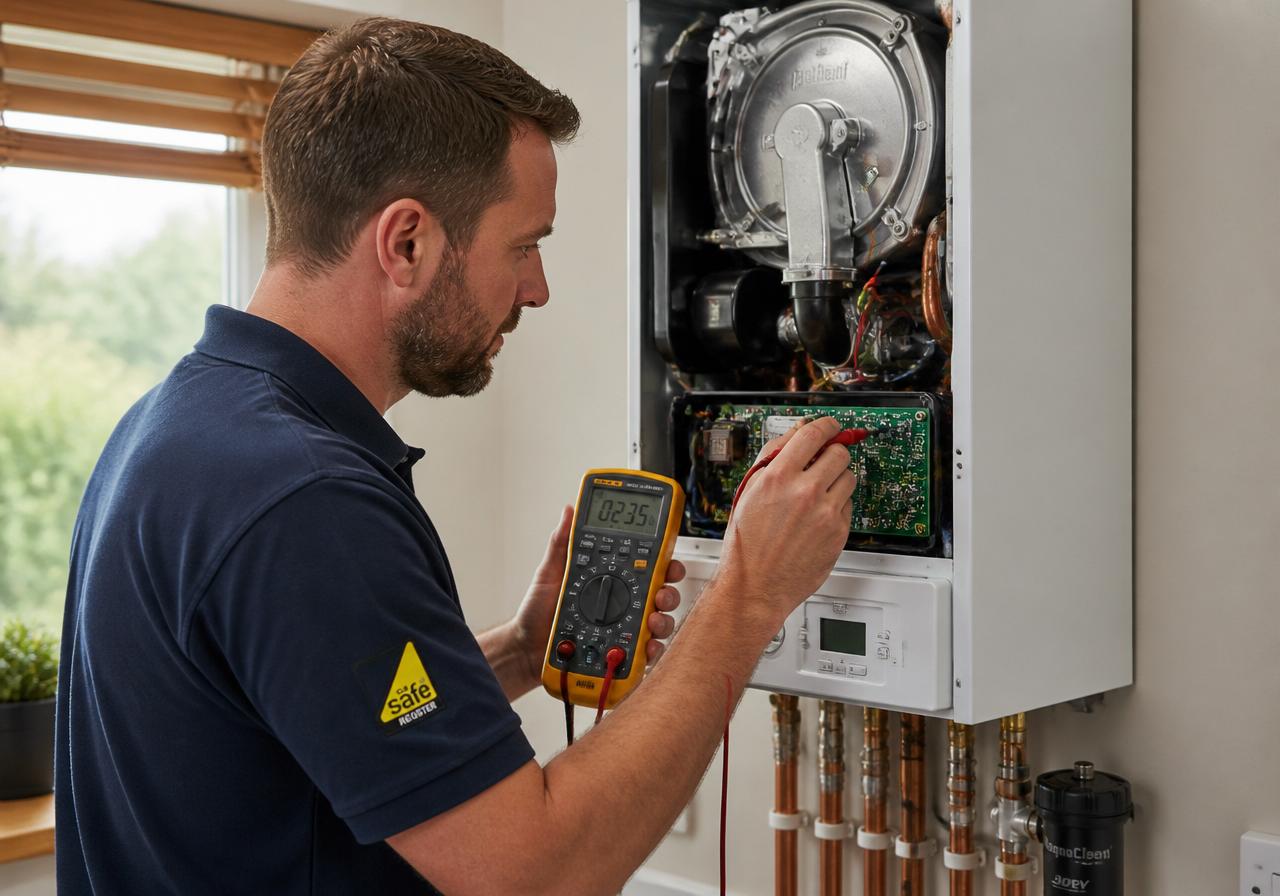
Annual servicing of your gas appliances by a Gas Safe registered engineer is not merely a recommendation; it is an essential safety measure. During a service, a qualified engineer will check that your appliance is operating safely and efficiently, identifying and rectifying any potential issues that could lead to carbon monoxide production. This includes checking ventilation, flues, and combustion performance. Regular maintenance helps ensure that components are not faulty or blocked, preventing incomplete combustion. For your peace of mind and the safety of your family, never overlook the importance of an annual service. Brogas is a Gas Safe registered plumbing and heating business in Wigan covering Wigan and surrounding towns.
- Ensures appliances burn fuel completely.
- Checks for blockages in flues and chimneys.
- Identifies wear and tear before it becomes dangerous.
- Confirms adequate ventilation for safe operation.
- Verifies all safety devices are functioning correctly.
Common questions
How often should I test my carbon monoxide alarm?+
You should test your carbon monoxide alarm weekly, following the manufacturer's instructions, typically by pressing the test button. This simple check ensures the alarm's sounder is working correctly. It is also important to replace the batteries or the entire unit according to the manufacturer's guidelines, as alarms have a limited lifespan, usually around five to ten years depending on the model.
Can carbon monoxide alarms detect other gases?+
No, carbon monoxide alarms are specifically designed to detect only carbon monoxide. They do not detect other dangerous gases like natural gas or propane, nor do they detect smoke from fires. It is crucial to have separate alarms for different threats: smoke alarms for fires and carbon monoxide alarms for CO. These distinct safety devices serve different but equally important protective functions in your home.
Are there any laws about carbon monoxide alarms in rented properties?+
Yes, in England, landlords are required by law to install a carbon monoxide alarm in any room used as living accommodation which contains a fixed combustion appliance, excluding gas cookers. They must also ensure that alarms are in proper working order at the start of a new tenancy. It is good practice for landlords to fit CO alarms in all rooms with fuel-burning appliances for tenant safety.
What is a Gas Safe registered engineer?+
A Gas Safe registered engineer is legally qualified to work safely on gas appliances in the UK. Their registration means they have undergone rigorous training and assessment to ensure they have the necessary skills and competence. Always ask to see a Gas Safe ID card before any gas work is carried out in your home. Working with gas without proper qualifications is extremely dangerous and illegal, risking lives due to potential leaks or carbon monoxide production. Any work on gas appliances should only be carried out by a Gas Safe registered engineer.
Can an appliance with a yellow flame be fixed?+
In many cases, an appliance showing a yellow or lazy flame can be safely repaired by a Gas Safe registered engineer. This often indicates a problem with the burner, air intake, or flue that is causing incomplete combustion. An engineer can diagnose the specific issue and carry out the necessary adjustments or component replacements to restore safe and efficient operation. Do not attempt to fix it yourself; always call a qualified professional for safety.
Need a Gas Safe Engineer in Wigan?
For gas appliance servicing, repairs, or any carbon monoxide safety concerns, contact Brogas.