
The short version
- Initial survey and heat loss calculation are foundational.
- Emitter upgrades often improve system efficiency.
- New cylinder and outdoor unit installation are key stages.
- Commissioning ensures optimal system performance.
- Handover includes crucial controls training.
Initial Survey and Heat Loss Calculation
The process begins well before any physical work starts. A thorough survey of your property is conducted by our experienced engineers. This involves assessing its construction, insulation levels, window types, and existing heating infrastructure. Crucially, a detailed heat loss calculation is performed. This determines the precise heating demand of each room, which is vital for correctly sizing the heat pump and its associated components. This foundational step ensures the system is tailored to your home's specific requirements, aiming for comfort and efficient operation.
- Property construction assessment.
- Insulation and window evaluation.
- Detailed room-by-room heat loss calculation.
Emitter Changes and System Preparation
Following the heat loss calculation, we may advise on necessary adjustments to your heating emitters, such as radiators. Heat pumps typically operate at lower flow temperatures than traditional boilers, so larger radiators or underfloor heating are often recommended to provide sufficient warmth. This stage involves draining your existing system, removing old emitters, and installing new, appropriately sized radiators. System flushing may also be performed to remove sludge and debris, preparing your pipework for the new heat pump. Gas safety checks are performed on any gas lines if an existing boiler is removed or capped.
- System drain and existing radiator removal.
- Installation of larger, more efficient radiators.
- System flush to prepare pipework.
Indoor Cylinder Installation
A key component of many air source heat pump systems is the hot water cylinder. Unlike traditional combination boilers, heat pumps often require a dedicated hot water storage cylinder, typically a unvented cylinder designed for heat pump use. This unit stores hot water for your taps and showers. We will position this cylinder in an appropriate location, often replacing a previous cylinder or in a utility space. This involves plumbing connections to your domestic water supply and the heat pump flow and return pipes.
- Positioning and securing the hot water cylinder.
- Connecting to the cold water supply.
- Integration with the heat pump's heating circuit.
Outdoor Unit and Base Installation
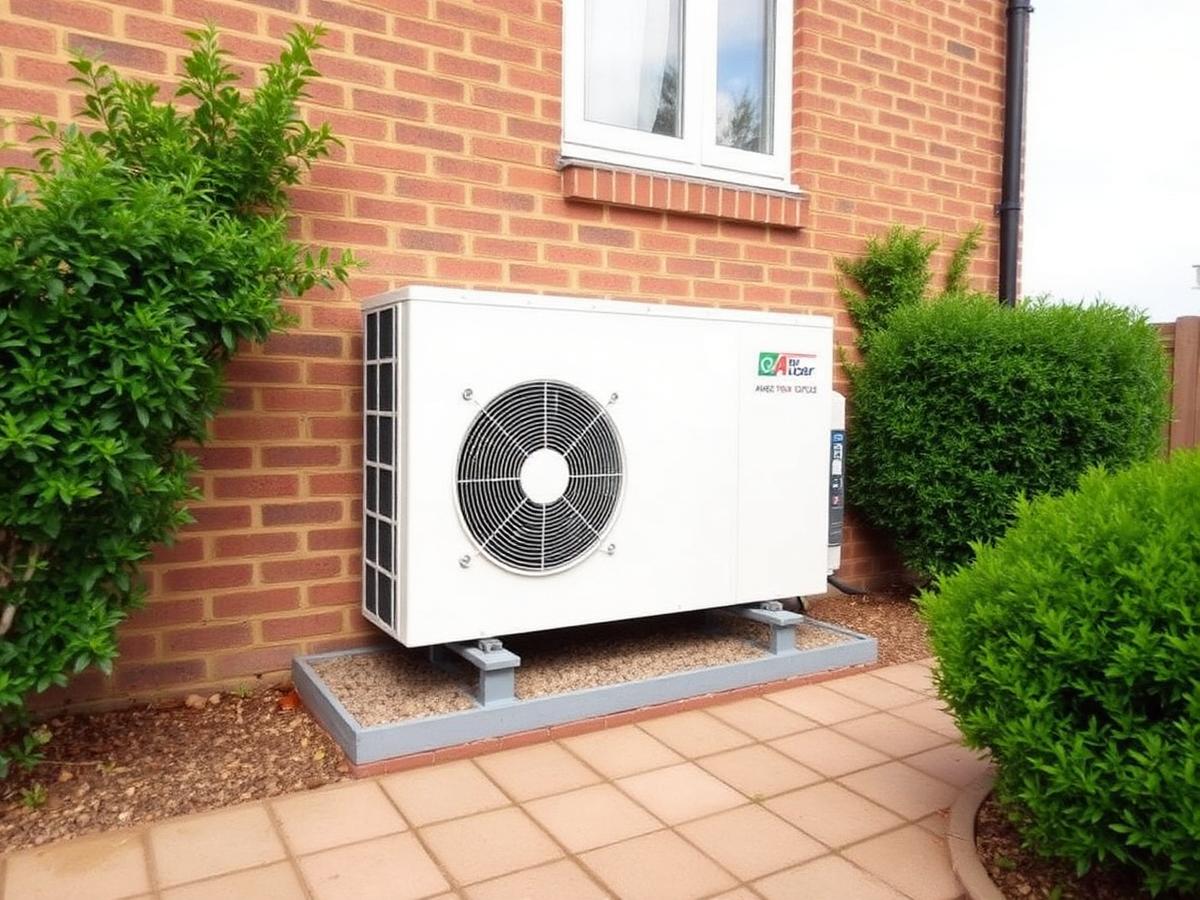
The outdoor unit, which extracts heat from the air, requires a stable, level base. This is typically a concrete slab or purpose-built frame positioned in an appropriate location outside your property, considering clearances and noise. Our team will install this base and then carefully position the heat pump unit on it. Refrigerant lines, electrical cabling, and condensate drainage pipes are then run between the outdoor unit and the indoor cylinder or hydrobox, ensuring all connections are weather-sealed and secure. This work is completed to industry standards.
- Preparation and installation of a level outdoor base.
- Mounting and securing the external heat pump unit.
- Connecting refrigerant lines, electrics, and condensate drain.
Commissioning and Testing
Once all physical components are installed, the system moves to the commissioning phase. This is a critical technical stage where the heat pump is brought online. Our engineers will fill the heating system, purge air, and carefully configure the heat pump's settings according to your home's heat loss calculations and your preferences. We perform extensive testing to ensure all components are functioning correctly, including pressure checks, flow rate verification, and electrical safety tests. This ensures the system operates efficiently and safely, meeting all regulatory requirements.
- System filling, purging, and initial startup.
- Configuration of heat pump operating parameters.
- Comprehensive testing for performance and safety.
Handover and Controls Training
The final stage is the handover. We will walk you through the installed system, explaining how each component works. Crucially, we provide detailed training on how to operate your new heat pump controls. This includes setting schedules, adjusting temperatures, and understanding any system messages or modes. We answer any questions you may have about day-to-day use and maintenance. You will be provided with all relevant documentation, including user manuals and system schematics, giving you confidence in managing your new, efficient heating system. We can advise on Gas Safe requirements for any gas appliances.
- Explanation of the complete heat pump system.
- Comprehensive training on operating the controls.
- Provision of all system documentation and manuals.
Common questions
How long does a typical heat pump installation take?+
The core installation work for a heat pump usually takes a week, but this can vary depending on your property's size and the complexity of emitter changes. The initial survey and planning happen before this, and minor finishing touches might extend slightly beyond the main installation week. We work to minimise disruption and keep you informed.
Will my heating be off during the installation?+
Yes, for a significant portion of the installation, your heating system will be drained and offline. We will discuss the expected downtime with you during the planning phase. We aim to complete the work as efficiently as possible to restore your heating and hot water promptly, particularly during colder months.
Are there any specific requirements for my home's electrical supply?+
Heat pumps require a dedicated electrical supply, and we will assess your current electrical infrastructure during the initial survey. If upgrades to your consumer unit or wiring are necessary, this will be identified early in the process and included in the installation plan. This ensures safe and reliable operation of the heat pump.
What happens to my old boiler during the installation?+
If you have an existing boiler, it will typically be decommissioned and removed as part of the heat pump installation process. Any work involving gas components or connections will be carried out by our Gas Safe registered engineers, ensuring all safety standards are met for the removal or capping of gas lines.
Do I need to do anything to prepare for the installation?+
Before installation, it is helpful to clear access to areas where work will take place, such as the cylinder cupboard, boiler location, and external walls where the outdoor unit will be sited. Removing obstructions allows our engineers to work efficiently and safely, speeding up the overall installation process.
Considering a Heat Pump for Your Wigan Home?
Contact Brogas today to discuss your heating requirements and explore if a heat pump is suitable for your property.