
The short version
- Space-saving by removing tanks.
- On-demand hot water, no waiting.
- Requires professional Gas Safe expertise.
- Not suitable for every property type.
Understanding the Existing Regular Boiler System
A regular, or heat-only, boiler system typically consists of several key components working together. You have the boiler itself, which heats water that is then circulated through your radiators for central heating. Hot water for taps and showers is supplied by a separate hot water storage cylinder, usually located in an airing cupboard. This cylinder is heated by the boiler, storing hot water for later use. Cold water for the cylinder and for the central heating system is fed from cold water storage tanks, often situated in the loft. These tanks rely on gravity to supply water to their respective systems. This setup means hot water availability is limited to the cylinder's capacity and recovery time.
What a Combi Boiler Offers
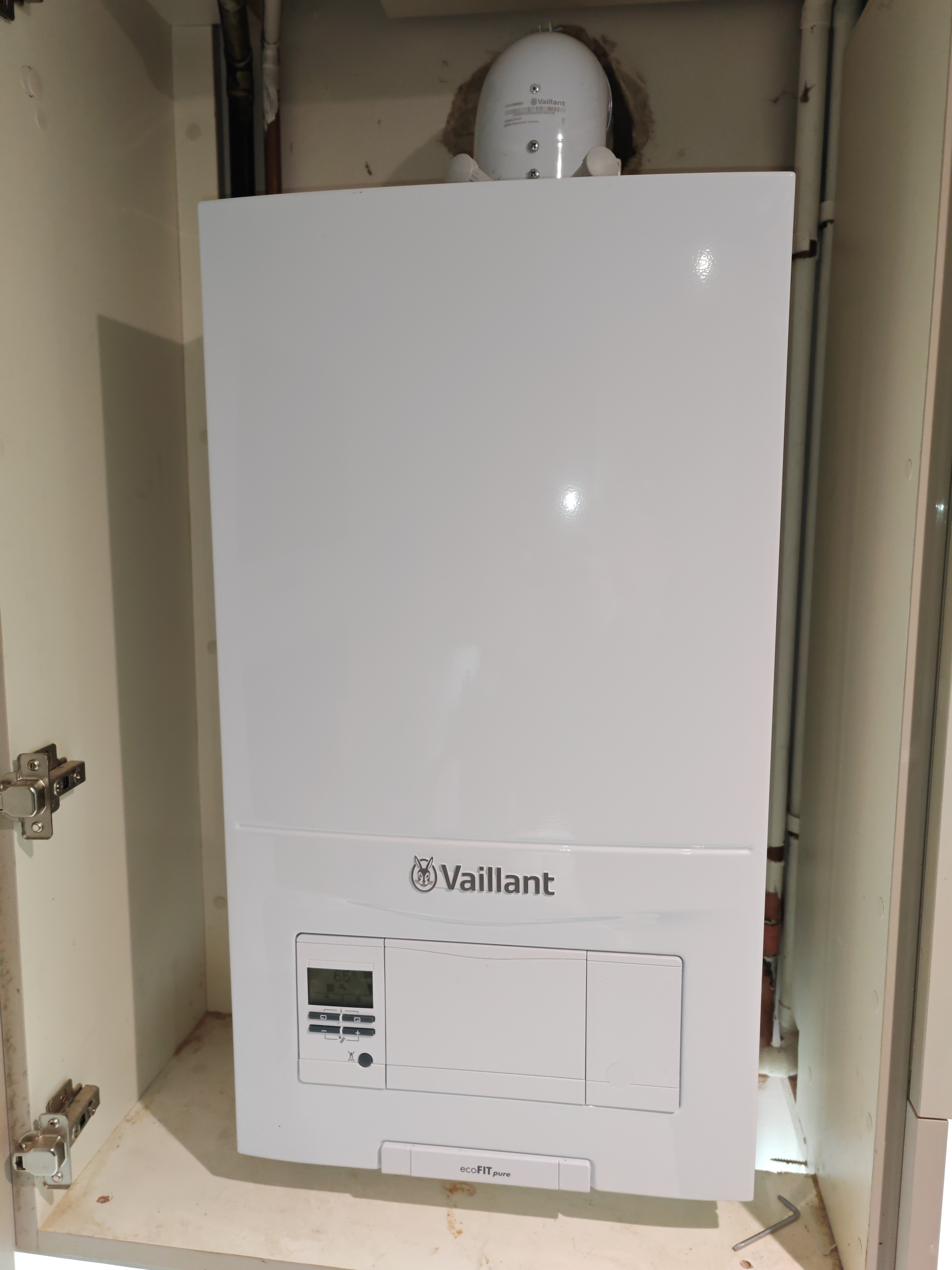
A combi (combination) boiler functions differently by providing both heating and hot water directly from the same unit, on demand. It heats water instantly as it passes through the boiler, eliminating the need for a separate hot water storage cylinder and the associated cold water tanks in the loft. This system operates at mains pressure, delivering hot water directly to your taps and showers without the need for a pump for hot water delivery. The compact nature of a combi boiler means it can often be installed in a kitchen cupboard or utility space, freeing up valuable room elsewhere in your home. This on-demand approach means you only heat the water you use.
- Instant hot water, no storage tank.
- No loft tanks required.
- Operates at mains water pressure.
Components Removed During Conversion
When converting from a regular boiler system to a combi boiler, several parts of your existing setup become redundant and will be carefully disconnected and removed by a Gas Safe registered engineer. The most significant items to be taken out are the hot water storage cylinder, typically found in an airing cupboard, and the cold water storage tanks located in your loft space. These tanks and the associated pipework that feeds them will be disconnected and drained. Any old feed and expansion tanks, also often in the loft, will also be removed. The existing regular boiler will also be disconnected and removed, along with any outdated controls that are specific to the old system. This process requires specialist knowledge to ensure safe and proper disconnection.
- Hot water storage cylinder.
- Cold water storage tanks (often in loft).
- Feed and expansion tanks.
- The old regular boiler unit.
Pipework and Mains Flow Implications
Converting to a combi boiler involves significant changes to your home's plumbing. The existing pipework that supplied water to and from the hot water cylinder and the loft tanks will be capped off or repurposed. A combi boiler requires a direct connection to the mains cold water supply, as it operates at mains pressure. Your mains water supply will be assessed to ensure it can deliver the flow rate and pressure necessary for a combi boiler to operate effectively, particularly when multiple hot water outlets might be used simultaneously. New pipework for hot water distribution will be connected directly from the combi boiler. Modifications will also be made to the central heating pipework, ensuring a closed system that is correctly pressurised by the combi boiler.
- Existing tank pipework capped or repurposed.
- Direct mains cold water connection for combi.
- Mains pressure and flow rate assessment.
- New hot water distribution from boiler.
Loft Tank Removal and Space Benefits
The removal of the cold water storage tanks from your loft is a key benefit of a combi boiler conversion. These tanks can take up a considerable amount of space in the loft, and their removal frees up this area for other uses, such as storage. Furthermore, removing water tanks from the loft eliminates the risk of leaks, freezing in colder months if not adequately insulated, or contamination issues sometimes associated with open water storage. The structural implications of removing the weight of full water tanks are generally positive, as the load on your loft joists is reduced. This clear-out means you will no longer have to consider the maintenance or insulation of these specific components.
When a Combi Boiler Might Not Be The Right Choice
While combi boilers offer many advantages, they are not always the ideal solution for every household. For properties with very low mains water pressure or flow rates, a combi boiler may struggle to deliver adequate hot water, especially if more than one tap or shower is used at the same time. Larger homes with multiple bathrooms where several people frequently require hot water simultaneously might also find a combi boiler's instantaneous output insufficient. In such cases, an unvented hot water cylinder system, which also operates at mains pressure but stores hot water, or a system boiler with an unvented cylinder, might be a more suitable alternative. A Gas Safe registered engineer from Brogas can assess your property's specific needs.
- Low mains water pressure/flow rate.
- Multiple bathrooms, simultaneous hot water demand.
- Very large properties.
- Properties where an unvented system is preferred.
Common questions
How long does a combi boiler conversion typically take?+
The duration of a combi boiler conversion can vary depending on the complexity of the existing system and the chosen location for the new boiler. Generally, a conversion can be completed within one to three days. This includes draining the old system, removing tanks and the old boiler, installing the new combi boiler, modifying pipework, and commissioning the new system. A detailed assessment by a Gas Safe registered engineer will provide a more accurate timescale.
Do I need to upgrade my radiators when I switch to a combi boiler?+
Not necessarily. Your existing radiators are typically compatible with a combi boiler system. However, during the conversion, it is an opportune time to consider a full system flush to remove any sludge or debris that may have accumulated over time. This helps ensure your new combi boiler operates efficiently. A Gas Safe registered engineer will assess the condition of your existing radiators and advise on any necessary maintenance or upgrades.
What happens to the removed tanks and old boiler?+
The removed hot water cylinder, cold water tanks, and old boiler unit will be safely disconnected and drained by the Gas Safe registered engineer. These items are then usually disposed of in accordance with environmental regulations. Brogas takes care of the removal of these redundant components from your property as part of the conversion service, ensuring a clear and tidy site upon completion of the work.
Will my water pressure improve after installing a combi boiler?+
A combi boiler operates at mains water pressure, which means the hot water delivered to your taps and showers should be at a similar pressure to your incoming cold mains water. If your existing mains cold water pressure is low, a combi boiler will not inherently increase this. The hot water pressure from a combi will generally be significantly better than from a gravity-fed system with a hot water cylinder, but it is limited by the incoming mains supply.
Is a combi boiler suitable for a home with more than one bathroom?+
A combi boiler can be suitable for a home with more than one bathroom, but its effectiveness depends on your property's mains water pressure and the simultaneous demand for hot water. If two showers or baths are frequently used at the same time, the flow rate may drop significantly, affecting comfort. For homes with high simultaneous hot water demand, a system boiler with an unvented hot water cylinder might provide a more consistent experience. A professional assessment is recommended.
Considering a Combi Boiler Upgrade in Wigan?
Contact Brogas today for expert, Gas Safe registered advice on converting your heating system. We serve Wigan and surrounding areas.