
The short version
- Heat is extracted from outside air and upgraded, not generated by burning fuel
- Flow temperatures are lower, so emitters must be larger
- It runs steadily for long periods rather than in short blasts
- Design and heat loss calculation matter more than the badge on the box
The refrigeration cycle in plain terms
A fridge takes heat out of the food compartment and dumps it into your kitchen. A heat pump does the same thing pointed the other way: it takes heat out of the outside air and puts it into your heating system. A refrigerant absorbs low grade heat outdoors, a compressor raises its temperature, and a heat exchanger transfers that heat to the water in your radiators or cylinder.
- Refrigerant absorbs heat from outside air, even when it is cold out
- The compressor raises the temperature by increasing pressure
- A heat exchanger passes the heat into your heating water
- The refrigerant expands, cools and starts again
Why the radiators feel different
A gas boiler might send water out at seventy degrees. A heat pump works most efficiently around forty five, sometimes lower. The same room still reaches the same temperature, but the heat comes from a larger surface at a lower intensity, so radiators feel warm rather than hot and stay on longer.
Why it should run constantly
Boilers are usually run in bursts on a timer. A heat pump is most efficient running gently and continuously, holding the house at temperature rather than recovering it from cold twice a day. People who try to run one like a boiler get poor efficiency and blame the technology.
Hot water is handled differently
There is no instant hot water in the combi sense. A heat pump heats a cylinder, usually overnight or during a cheaper tariff window, and the cylinder holds it. That means a cylinder has to exist and has to have somewhere to live, which is a real planning consideration in a house that has been combi only for years.
What decides whether it performs
Efficiency is designed in, not bought in. A room by room heat loss calculation determines the output needed and the emitter sizes, and that survey is the difference between a system that costs less to run than the boiler it replaced and one that costs more.
- Room by room heat loss calculation
- Emitter sizing to suit lower flow temperatures
- Insulation and draught proofing addressed first where it is cheap to do
- Controls set up for weather compensation rather than on and off timing
Common questions
Do heat pumps work in cold weather?+
Yes. They extract heat from air well below freezing, though efficiency falls as the outside temperature drops, which is exactly what the design allows for.
Will I need new radiators?+
Some, usually not all. The survey identifies which rooms need larger emitters at the lower flow temperature.
Are they noisy?+
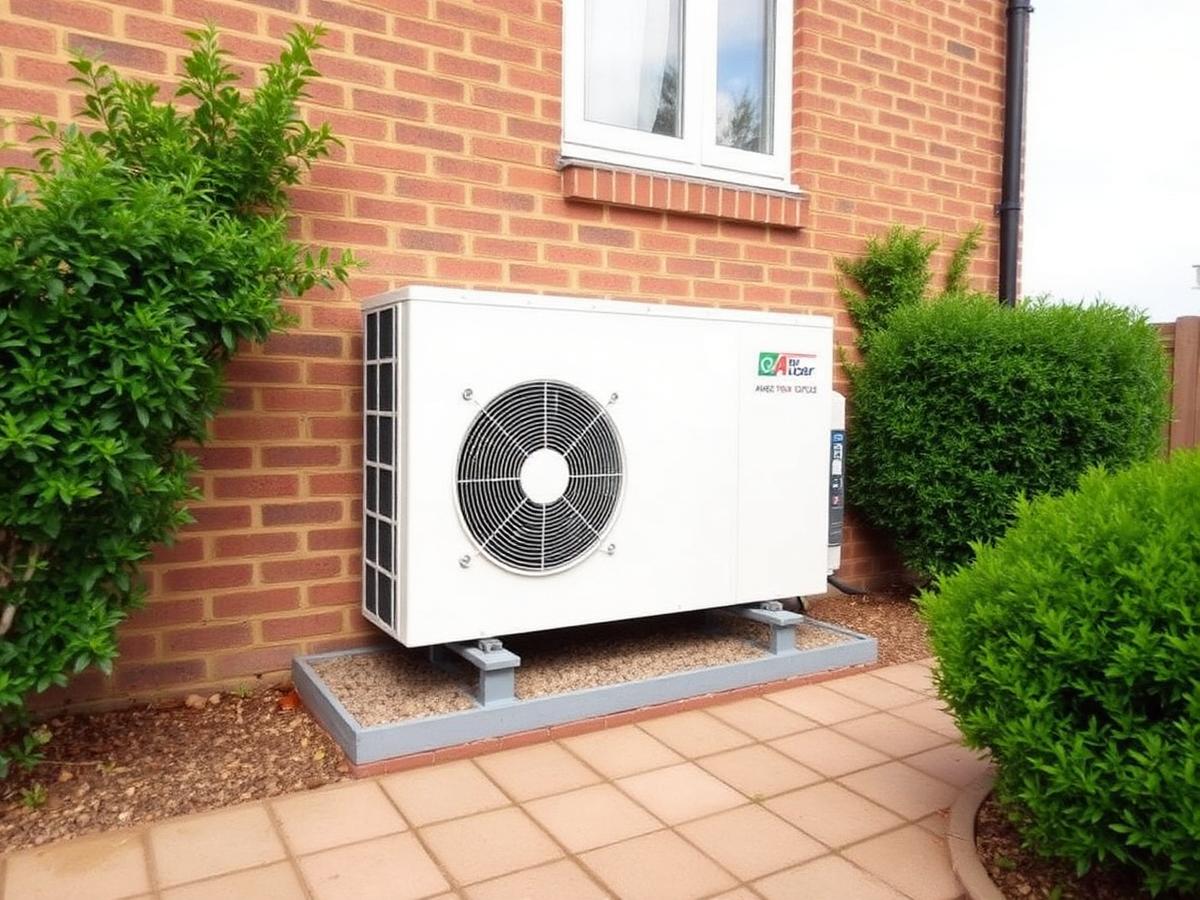
The outdoor unit produces a low hum comparable to a fridge at a few metres. Siting matters more than the specification for how noticeable it is.
Can I keep my combi as a backup?+
Some homes run hybrid arrangements, but most installations replace the boiler entirely. It depends on the property and what you want to achieve.
Is my house suitable?+
That depends on insulation, emitters and space for a cylinder, which is what a survey establishes rather than a phone call.
Curious whether a heat pump suits your home?
We survey properly before recommending anything, including telling you when a heat pump is not the right answer.