
The short version
- Insulation and draughts matter more than the age of the house
- Emitters usually need upgrading in some rooms, rarely all
- A cylinder needs a home, which is the common blocker in combi houses
- Outdoor siting needs airflow and consideration for neighbours
One: the fabric of the building
Heat pumps work best in homes that hold their heat. That does not mean a new build. A solid wall terrace with loft insulation, decent glazing and draughts dealt with can perform perfectly well, while a poorly insulated modern house can disappoint. Where cheap fabric improvements exist, doing them first reduces the size of the heat pump you need.
Two: the radiators you already have
At lower flow temperatures each radiator gives out less heat, so some need to be larger. In practice a survey typically finds a handful of rooms need bigger emitters rather than a full replacement. Where underfloor heating exists, it is close to ideal.
- Room by room calculation identifies which emitters change
- Doubles often replace singles rather than a full rip out
- Underfloor heating pairs very well with a heat pump
Three: somewhere for a cylinder
This is the sticking point in homes that removed the cylinder for a combi years ago. A heat pump needs stored hot water, and the cylinder needs an airing cupboard, a loft with adequate support, or a garage. If there is genuinely nowhere, that shapes the whole design conversation.
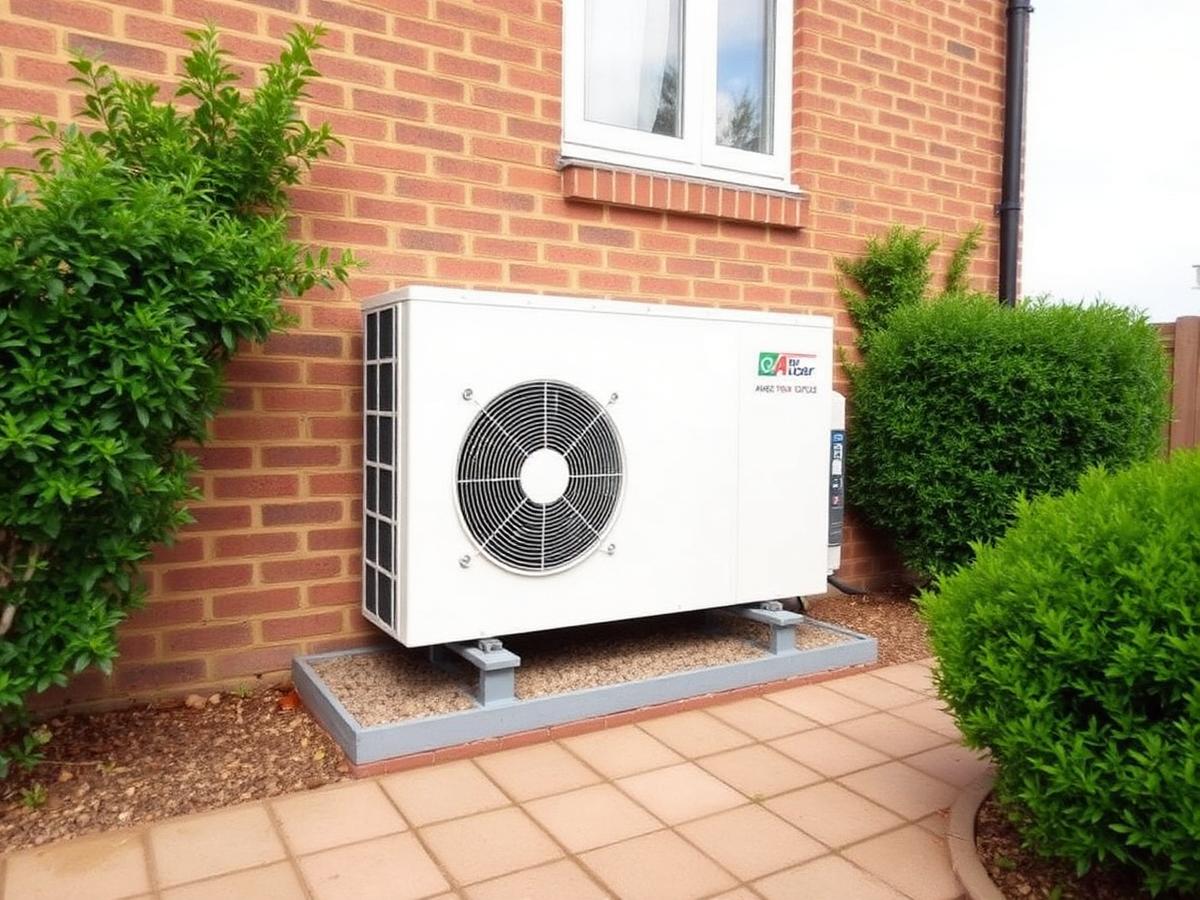
Four: outdoor space and siting
The outdoor unit needs clear airflow, a solid base and a sensible position relative to windows and boundaries. Terraces with small yards are not automatically ruled out, but siting takes more thought and the noise assessment matters more where units sit close to neighbours.
- Clear space around the unit for airflow
- Solid level base away from bedroom windows where possible
- Consideration of boundary distances and neighbouring properties
- A sensible pipe route back into the house
Five: the electrical supply
A heat pump adds a significant electrical load. Most domestic supplies cope, but the consumer unit, the existing load and occasionally the incoming supply need checking as part of the design rather than being assumed.
What the survey settles
A proper survey produces a heat loss figure per room, an emitter schedule, a cylinder position, a siting plan and an honest efficiency expectation. If the answer is that your property is better served by a modern gas boiler for now, we will say so.
Common questions
Does my house need to be new to have a heat pump?+
No. Older properties work well where insulation and draught proofing have been addressed and emitters are sized correctly.
What if I have no room for a cylinder?+
That is a genuine constraint and shapes the design. Slimline and stacked options exist, but the space question has to be answered honestly before anything is ordered.
Do I need planning permission?+
Many domestic installations fall under permitted development, subject to siting and noise conditions. We check the specifics for your property as part of the design.
Will it cost more to run than my boiler?+
It depends on the design, the tariff and how the system is run. A well designed system running continuously at low flow temperatures is where the savings live.
Is there a grant available?+
The Boiler Upgrade Scheme supports air source heat pump installations for eligible properties in England. We cover eligibility as part of the quote.
Want a straight answer about your property?
We will assess insulation, emitters, cylinder space, siting and supply, and tell you plainly whether it stacks up.