
Next-day callout slots available for Wigan & surrounding areas

External Unit Siting: Practicalities and Planning

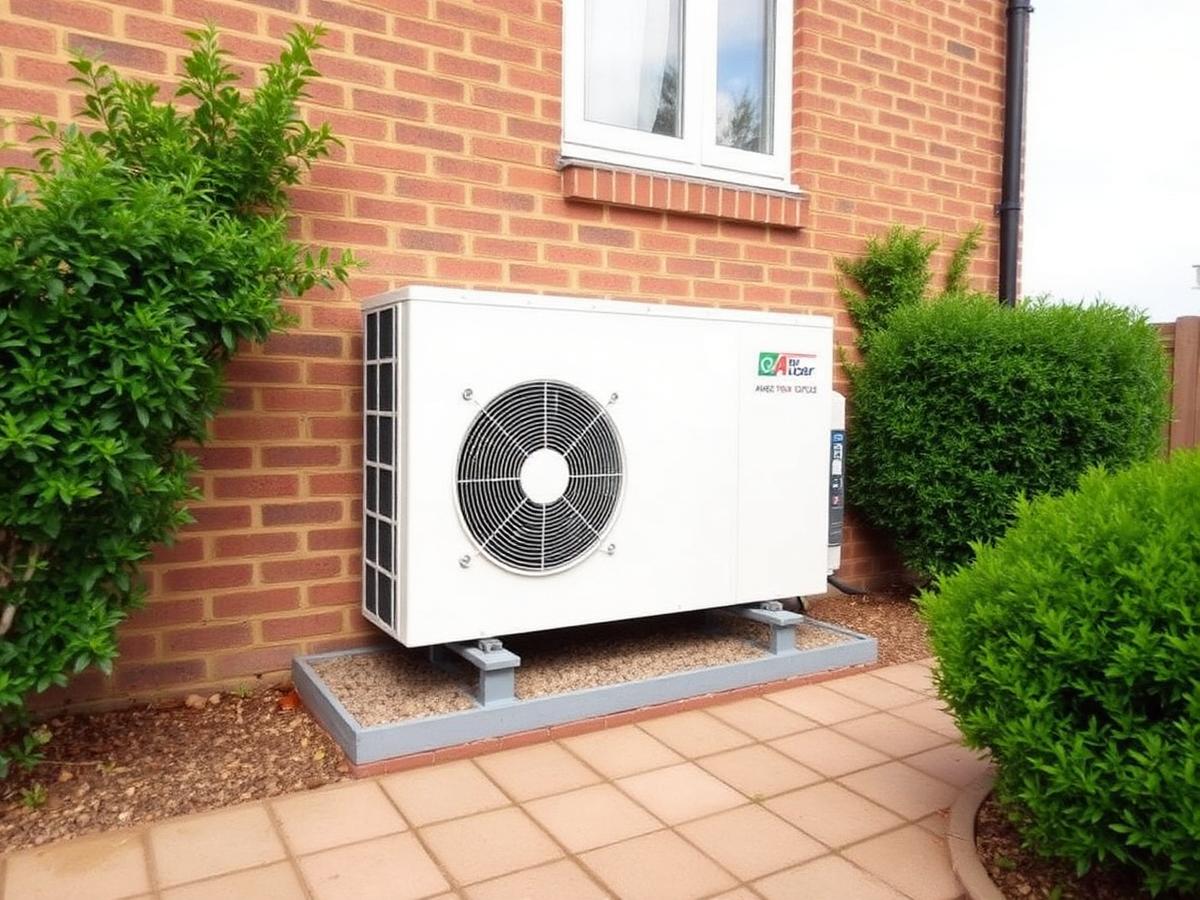
The outdoor unit of an air source heat pump needs clear airflow and sufficient space around it. For bungalows, this often means placing it at the side or rear of the property. We're looking for a spot that minimises noise impact on you and your neighbours, and avoids blocking access or pathways. Remember, these units are typically 1-1.5m high, 1m wide, and 0.4m deep, so they have a notable footprint. The shorter pipe runs from the unit to your internal plant space (often a utility or hall cupboard) are a key benefit for bungalows, but we still need to factor in drainage for condensate.

  • Maintain clear 300mm around unit for airflow
  • Consider condensate drainage from the unit
  • Avoid main thoroughfares and access points

Understanding Heat Pump Noise and Your Neighbours

Noise is a primary concern with air source heat pumps. While modern units are far quieter than older models, they still produce a hum, particularly when working harder in colder weather. Permitted Development Rights (PDR) allow installation without full planning permission, but there are strict noise limits. The unit must not be closer than one metre to a boundary and the noise level must not exceed 42dB(A) at the nearest neighbour's habitable room window. We'll assess the specific unit's output and your property's layout in Standish to ensure compliance, especially if you have close neighbours.

  • 42dB(A) limit at neighbour's window
  • Minimum one metre from boundary
  • Avoid siting near bedroom windows

Navigating Permitted Development Exceptions

While most domestic air source heat pump installations fall under Permitted Development, there are exceptions that would require full planning permission from Wigan Council. This applies if you’re in a Conservation Area, if the property is listed, or if you already have certain other permitted developments (like a large extension) that use up your allowance. Also, if the unit exceeds a specific size or volume (0.6m³), or protrudes significantly from the wall, it might trigger a planning application. We’ll verify this for your specific bungalow during our initial survey.

  • Conservation Areas require full planning
  • Listed buildings always need planning
  • Check overall volume if unit is exceptionally large

Typical heat pumps for bungalows — siting, noise and permitted development work in Standish

For Standish householders and landlords dealing with siting, noise and permitted development. Local housing stock — 1930s bay-fronted semis on Rectory Lane and newer estates off Almond Brook Road — shapes how this work is carried out.

  • External unit location clear of bedroom windows.
  • Sufficient external space for the unit and maintenance.
  • Noise assessment confirms compliance with PDR.
  • Property is not in a Conservation Area or Listed.
  • Access for installation and future servicing is good.

Why locals choose Brogas here

As a Brogas Gas Safe registered heating business, we perform thorough site surveys. We assess your property's specific needs, identify optimal siting locations, and check against Permitted Development rules and noise regulations. You receive clear advice and a plan for your bungalow's heat pump installation.

Standish FAQs — heat pumps for bungalows — siting, noise and permitted development

Can I put the heat pump unit on my bungalow's roof?+

Generally, no. Air source heat pump units are heavy and require structural support, clear airflow, and accessible maintenance. Rooftop siting is typically complex and rarely recommended for standard bungalow installations due to weight, noise transmission, and planning considerations. It's usually much simpler and more effective to site it at ground level.

How close can the unit be to my own bedroom window?+

While PDR focuses on neighbours, it's wise to consider your own comfort. Siting the unit away from your own bedroom windows is strongly advised to minimise any audible hum, especially at night. We aim for a location that is least impactful on all residents of the property, not just to meet the minimum regulatory requirements.

What if my neighbours complain about the noise after installation?+

Our detailed assessment aims to prevent this by ensuring compliance with the 42dB(A) limit. If issues arise, it typically points to an initial miscalculation or a fault. Modern units often have 'quiet modes' which can reduce output and noise at night. We recommend selecting a quality unit and ensuring correct siting from the start to avoid problems.

Do I need to inform my neighbours about the heat pump installation?+

While not a legal requirement under Permitted Development, it can be a good neighbourly gesture, particularly if the unit will be visible or close to their boundary. Transparency can help avoid future disputes. We focus on meeting all regulatory requirements, which includes the noise assessments crucial for neighbourly relations.

In summary

For bungalows, air source heat pump siting, noise, and permitted development are key. We navigate these critical factors to ensure compliant, efficient, and discreet installation for your home.