
Next-day callout slots available for Wigan & surrounding areas

The Link Between Insulation and Heat Pump Specification

When we survey a property, particularly older ones like the Victorian terraces around Whelley or 1930s semis near Beech Hill, the first thing we assess is heat loss. Good insulation – loft, wall, and floor – directly reduces the amount of heat your home needs. A lower heat demand means we can specify a smaller heat pump. Smaller heat pumps typically have lower power outputs, resulting in less noise. Trying to heat a poorly insulated house with an undersized unit will mean it works harder, potentially increasing noise and reducing efficiency, or an oversized unit will be loud and inefficient.

  • Assess your home's heat loss first.
  • Smaller heat pump means less noise.
  • Avoid oversizing for poorly insulated homes.
  • Fabric first approach is always best.

How Insulation Impacts Siting Decisions

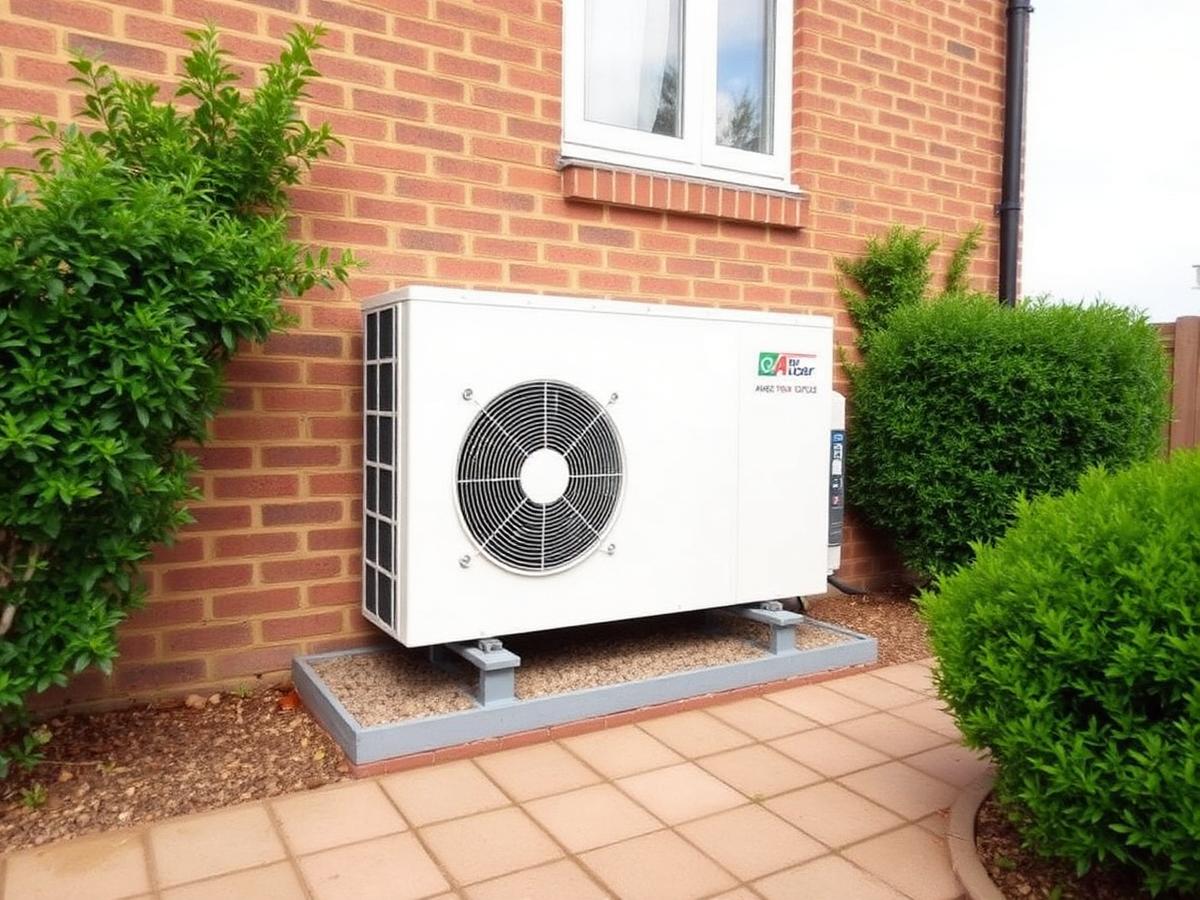
A properly insulated home allows for more flexibility in unit placement. If your heat demand is low, a smaller unit can often be tucked away more discreetly. This helps with critical siting considerations like distance from boundaries, avoiding bedroom windows, and keeping clear of reflective surfaces which can amplify sound. For instance, if your property can be adequately heated by a quieter, smaller unit, we have more options to place it where its operational hum will be least noticeable to you and your neighbours, reducing potential complaints. This is key for properties in closer-knit communities.

  • More siting options with lower heat demand.
  • Easier to avoid reflective surfaces.
  • Better boundary distance management.
  • Less impact on neighbour considerations.

Exceptions: When Fabric First Isn't Possible Immediately

While 'fabric first' is always the recommendation, we understand that extensive insulation upgrades aren't always feasible upfront. In such cases, we work with the existing fabric to select the best possible heat pump. This might mean a slightly larger, potentially louder unit to meet the heat demand. Here, careful siting becomes even more critical: prioritising anti-vibration mounts, ensuring maximum airflow clearance, and strategically positioning the unit away from sensitive areas like bedrooms or shared boundaries. We will also route condensate discharge safely away from paths, especially for winter conditions in Wigan.

  • Assess existing fabric if upgrades are delayed.
  • Siting becomes even more critical for louder units.
  • Prioritise anti-vibration mounts.
  • Ensure clear airflow and safe condensate routing.

Typical heat pump noise and siting — insulation and fabric first work in Wigan

For Wigan householders and landlords dealing with insulation and fabric first. Local housing stock — Victorian terraces round Whelley, 1930s semis toward Beech Hill and modern apartments near Wallgate quarter — shapes how this work is carried out.

  • You are considering a heat pump for an older property.
  • Your home currently has minimal loft or wall insulation.
  • You are concerned about potential noise from a heat pump.
  • You want to ensure the quietest possible operation.
  • You plan to upgrade your insulation in stages.

Why locals choose Brogas here

Brogas is a Gas Safe registered plumbing and heating business covering Wigan. We provide a thorough survey to understand your property's specific needs, focusing on insulation and heat loss. We then propose a heat pump solution tailored to your home's fabric, ensuring considered siting. You are left with a detailed, practical plan.

Wigan FAQs — heat pump noise and siting — insulation and fabric first

What kind of insulation should I prioritise before a heat pump?+

Loft insulation is often the most cost-effective starting point, followed by cavity wall insulation if applicable. Solid wall insulation or underfloor insulation are more involved but offer significant heat loss reduction. Improving your home's fabric will always make your heat pump more efficient and quieter.

Will insulation make my heat pump quieter?+

Yes, indirectly. Better insulation means your home requires less heat, allowing us to specify a smaller, lower-output heat pump. Smaller units typically generate less noise during operation than larger units, reducing the overall sound footprint and making siting easier.

Does a well-insulated home change where the heat pump can be placed?+

Absolutely. With lower heat demand, you can often use a more compact unit. This gives more flexibility in placement, making it easier to meet boundary distance requirements, avoid windows, and position it away from reflective surfaces that could amplify sound. It offers more options for discreet installation.

What if I can't do all the insulation work right now?+

We'll assess your current property and specify the best heat pump possible for its existing fabric. However, we'll highlight the benefits of future insulation upgrades. These will help your heat pump run more efficiently and potentially quieter in the long term, even if not done initially.

In summary

Prioritise insulation before heat pump specification. It leads to a smaller, quieter unit, offering more flexible and neighbour-friendly siting options. Contact Brogas to discuss your Wigan home.