
Next-day callout slots available for Wigan & surrounding areas

Heat Pump Noise and Siting — Running costs and controls in Standish

Heat Pump Running Costs in Standish: Tariff, Flow Temp & Controls

When considering a heat pump for your Standish home, particularly properties common in the area like 1930s bay-fronted semis, understanding the actual running costs is critical. It's not just about the unit itself, but how it integrates with your existing system, your electricity tariff, and how it's controlled. This page focuses specifically on these operational factors, moving beyond the installation itself to what drives your daily expenses once it's up and running. We'll look at the key decisions and strategies that directly affect your energy bill.

Heat pump control panel showing temperature settings and energy consumption data.

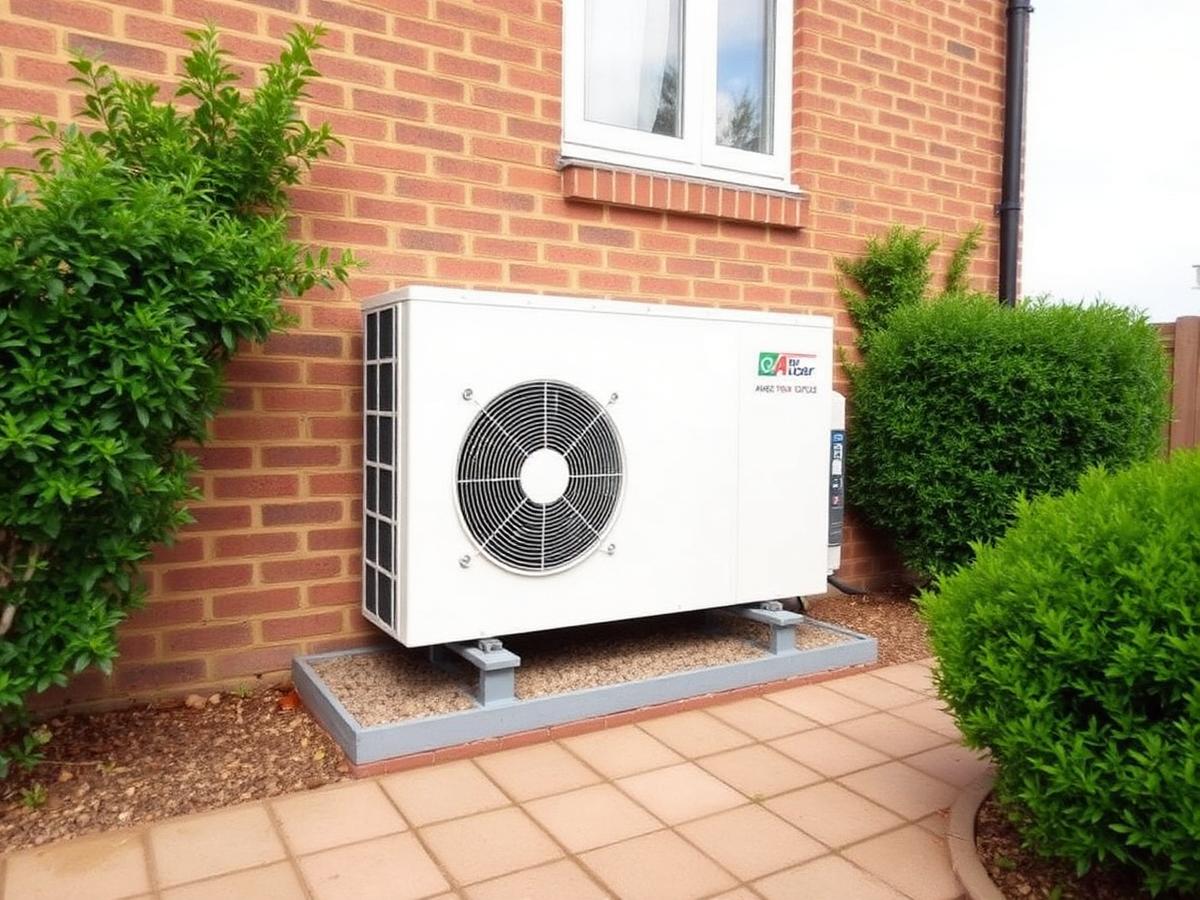
Typical heat pump noise and siting — running costs and controls work in Standish

For Standish householders and landlords dealing with running costs and controls. Local housing stock — 1930s bay-fronted semis on Rectory Lane and newer estates off Almond Brook Road — shapes how this work is carried out.

  • You have a time-of-use electricity tariff
  • You want to minimise daily energy consumption
  • Your home currently uses a high flow temperature
  • You are considering smart home integration
  • You want control over your heating schedule

Decision: Tariff and System Design Flow Temperature

Your electricity tariff is the single biggest factor in running costs. Time-of-use tariffs, often called 'smart tariffs', can significantly reduce expenses if the heat pump is programmed to operate during cheaper periods. This needs to be considered alongside the system's design flow temperature. A lower design flow temperature (e.g., 45-50°C) means the heat pump works less hard, consuming less electricity, but might require larger radiators. We assess your home's heat loss and existing emitters during the survey to determine the optimal balance for efficiency and comfort.

  • Time-of-use tariff selection
  • Optimising design flow temperature
  • Emitter compatibility assessment

Execution: Control Strategy and Optimisation

Once installed, the heat pump's control strategy dictates its daily running cost. This involves setting appropriate heating curves, scheduling, and potentially integrating smart controls that learn your habits. We configure the system to maintain comfort while minimising energy use, often by running the heat pump for longer periods at a lower output rather than short bursts at high power. Proper balancing of the heating system also plays a crucial role, ensuring heat is distributed effectively without wasting energy.

  • Programming heating curves and schedules
  • Smart control integration (where applicable)
  • Hydraulic balancing of the system

Aftercare: Monitoring and Fine-Tuning Performance

Initial setup is a starting point. We encourage customers to monitor their system's performance, especially during the first few heating seasons. This allows for fine-tuning of settings based on actual usage patterns and changes in weather. Minor adjustments to flow temperatures, schedules, or even room thermostat placements can yield noticeable improvements in efficiency and comfort, directly impacting your running costs. We'll explain how to interpret your system data to make informed adjustments.

  • Understanding system performance data
  • Adjusting settings for seasonal changes
  • Optimising for lifestyle and occupancy

Local facts — Standish

Postcode
WN6
Council
Wigan Council
Nearest road
A49 / M6 J27
From Wigan
3.5 miles north

Standish is an affluent commuter village with quick M6 access, with St Wilfrid's Church and Standish village centre as the local landmark.

Why locals choose Brogas here

Brogas is a Gas Safe registered plumbing and heating business. We meticulously survey your property, considering all factors influencing heat pump performance and running costs. We provide a detailed plan, ensuring you understand the system's operation and how to manage its efficiency.

Nearby areas we also cover

Standish FAQs — heat pump noise and siting — running costs and controls

How does my electricity tariff affect running costs?+

Your electricity tariff determines the price you pay per unit of electricity. If you have a variable tariff with cheaper off-peak rates, we can configure the heat pump to operate more during those times, significantly reducing your operational costs. This is often more impactful than minor system efficiency gains.

What is 'design flow temperature' and why does it matter?+

Design flow temperature is the target temperature of the water circulating through your heating system. A lower flow temperature means the heat pump operates more efficiently, consuming less electricity. It requires your radiators or underfloor heating to be appropriately sized to heat your home effectively at that lower temperature.

Can I use my existing radiators with a heat pump?+

In many cases, yes. It depends on their size relative to your home's heat loss at a lower flow temperature. During our survey, we'll calculate if your existing radiators are sufficient or if some upgrades might be needed to achieve optimal efficiency with the heat pump. Larger radiators are often required for lower flow temperatures.

What is a 'heating curve' and how does it reduce costs?+

A heating curve (or weather compensation) automatically adjusts the flow temperature of your heating system based on the outdoor temperature. When it's colder outside, the flow temperature increases, and vice-versa. This prevents overheating and underheating, ensuring optimal comfort and avoiding unnecessary energy consumption, directly impacting your running costs.

In summary

Heat pump running costs are driven by your electricity tariff, the system's design flow temperature, and how effectively it's controlled. Proper setup and homeowner understanding are key to maximising efficiency.