
The short version
- Annual CP12 checks are a legal landlord obligation.
- Engineers conduct detailed tightness, appliance, and flue tests.
- Defects are categorised from minor to immediately dangerous.
- Records are provided and must be shared with tenants.
Initial Checks and Gas Tightness Test
The inspection begins before any appliance is tested individually. Our Gas Safe registered engineer will first confirm the legitimacy of the gas supply. A crucial step is the gas tightness test, which involves isolating all gas appliances and then monitoring the gas meter to detect any drop in pressure over a specific period. This test confirms that there are no leaks within the gas pipework from the meter to the appliance isolation valves. A leak could indicate a potential hazard and would need to be located and repaired before the inspection can proceed to other stages. This foundational check ensures the integrity of the entire gas supply system within the property.
- Confirm gas supply legitimacy.
- Isolate all gas appliances.
- Monitor gas meter for pressure drops.
- Identify and address any gas leaks in the pipework.
Appliance-Specific Safety Checks
Each gas appliance, such as boilers, cookers, and fires, is then thoroughly examined. The engineer will check the appliance for safe operation, ensuring that it is burning correctly and that all safety devices are functioning as intended. This includes verifying adequate operating pressure and ensuring that the appliance is sealed and installed according to manufacturer instructions. Visual inspection for physical damage or signs of wear and tear is also part of this stage. It is vital that only a Gas Safe registered engineer removes any casing or interacts with internal gas components.
- Verify correct appliance operation.
- Check safety devices and operating pressure.
- Inspect for physical damage or wear.
- Ensure proper installation and sealing.
Flue and Ventilation Assessments
A critical aspect of gas safety is ensuring that combustion products are safely expelled and that adequate fresh air is available for burning. The engineer will assess the flue system for blockages, correct installation, and integrity, ensuring that no harmful gases can escape into the living space. Ventilation is equally important; checks are made to confirm that appropriate air bricks, vents, or openable windows are present and unobstructed, allowing for a sufficient supply of air. This prevents the build-up of carbon monoxide and ensures efficient appliance operation.
- Inspect flue for blockages and integrity.
- Confirm correct flue installation.
- Assess ventilation openings for obstructions.
- Verify adequate air supply for combustion.
Performance Tests and Carbon Monoxide Checks
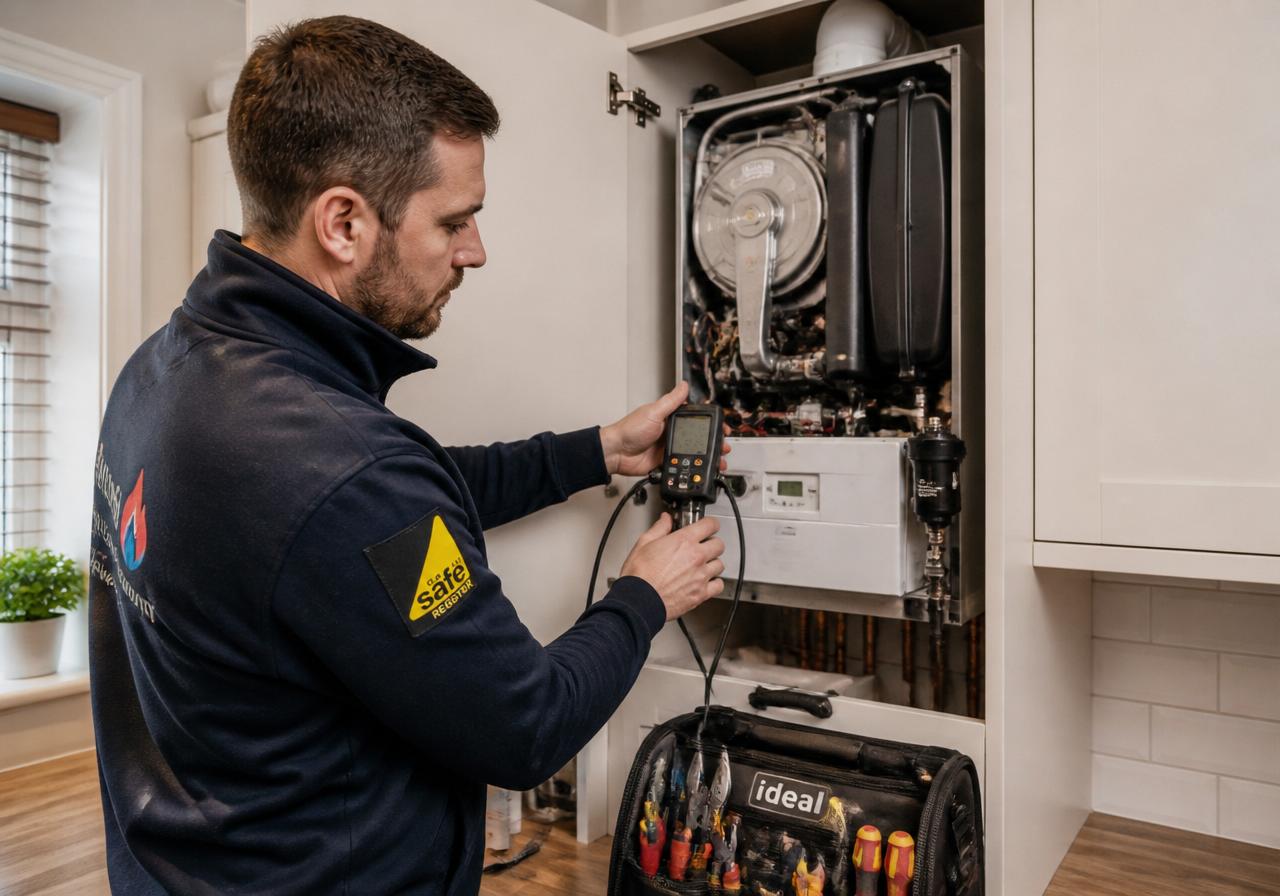
For certain appliances, particularly boilers, performance tests are conducted using specialist equipment. This involves measuring the gas rate and the combustion performance to ensure efficiency and safety. The engineer will also use a flue gas analyser to test for the presence of carbon monoxide (CO) in the flue gases and the immediate vicinity of the appliance. Elevated CO levels indicate incomplete combustion or a faulty flue, posing a serious risk. These tests confirm that the appliance is operating within safe parameters.
- Measure gas rate and combustion performance.
- Use flue gas analyser for carbon monoxide (CO).
- Identify incomplete combustion or faulty flues.
- Ensure appliances operate within safe parameters.
Classification of Defects and Actions
During the inspection, any issues found are classified according to a standardised system. Defects can range from 'Minor' (requiring attention but not an immediate risk), 'At Risk' (potentially dangerous, requires rectification within a specified timeframe), 'Immediately Dangerous' (poses an immediate threat to life, requiring disconnection), to 'Not to Current Standards' (safe but does not meet modern regulations). The engineer will clearly explain any findings and the necessary actions. Appliances deemed 'Immediately Dangerous' will be shut off to ensure tenant safety, with further action required from the landlord.
- Minor: Requires attention, not immediate risk.
- At Risk: Potentially dangerous, needs rectification.
- Immediately Dangerous: Immediate threat, requires disconnection.
- Not to Current Standards: Safe but outdated regulations.
Issuing the Certificate and Tenant Access
Upon successful completion of all checks, and if all appliances are deemed safe, a Gas Safety Certificate (CP12) is issued. This document details all tests performed, appliance status, and any remedial actions taken or recommended. As a landlord, you are legally required to provide a copy of this certificate to your current tenants within 28 days of the inspection, and to any new tenants before they move in. It is also crucial to retain records of all inspections for at least two years. Arranging access with your tenants for annual inspections is a shared responsibility, requiring proper communication and scheduling.
- Issue Gas Safety Certificate (CP12) upon completion.
- Certificate details tests, status, and recommendations.
- Provide certificate copy to current tenants within 28 days.
- Provide certificate to new tenants before move-in.
Common questions
How often is a landlord gas safety inspection required?+
A landlord gas safety inspection, leading to a CP12 certificate, must be carried out annually. This is a legal requirement to ensure the continued safe operation of all gas appliances and installations within your rental property. Regular annual checks help identify potential issues before they become serious safety concerns for your tenants and property.
What happens if an appliance fails the inspection?+
If an appliance fails the inspection, the engineer will classify the defect. Depending on the severity, it may be deemed 'At Risk' or 'Immediately Dangerous'. For 'Immediately Dangerous' situations, the appliance will be disconnected. For other defects, the engineer will advise on necessary repairs, which must be carried out by a Gas Safe registered engineer to ensure compliance and safety.
Can my tenant refuse access for a gas safety check?+
As a landlord, you have a legal duty to ensure annual gas safety checks are completed. While tenants should cooperate, if they refuse access, you must demonstrate that you have taken all reasonable steps to gain entry. This includes clear communication, providing adequate notice, and offering alternative dates. Documenting these attempts is important for your compliance.
Who is responsible for the cost of repairs identified during a CP12?+
As the landlord, you are responsible for the maintenance and safety of all gas appliances and pipework supplied in your rental property. Therefore, any repairs identified during the CP12 inspection that are necessary to make the appliances safe and compliant are your responsibility to arrange and cover. This includes replacing faulty parts or addressing leaks.
What does 'Gas Safe registered' mean for my engineer?+
Being 'Gas Safe registered' means the engineer is legally qualified and competent to work safely on gas appliances. This is essential for your peace of mind and for meeting legal requirements. Always ask to see their Gas Safe ID card, which will show their registration number and the types of gas work they are qualified to undertake. Brogas engineers are Gas Safe registered.
Arrange Your Landlord Gas Safety Inspection in Wigan
Ensure your rental property meets all gas safety requirements. Contact Brogas today for a professional and thorough CP12 inspection.