
Next-day callout slots available for Wigan & surrounding areas

The Short Answer: Servicing and Longevity

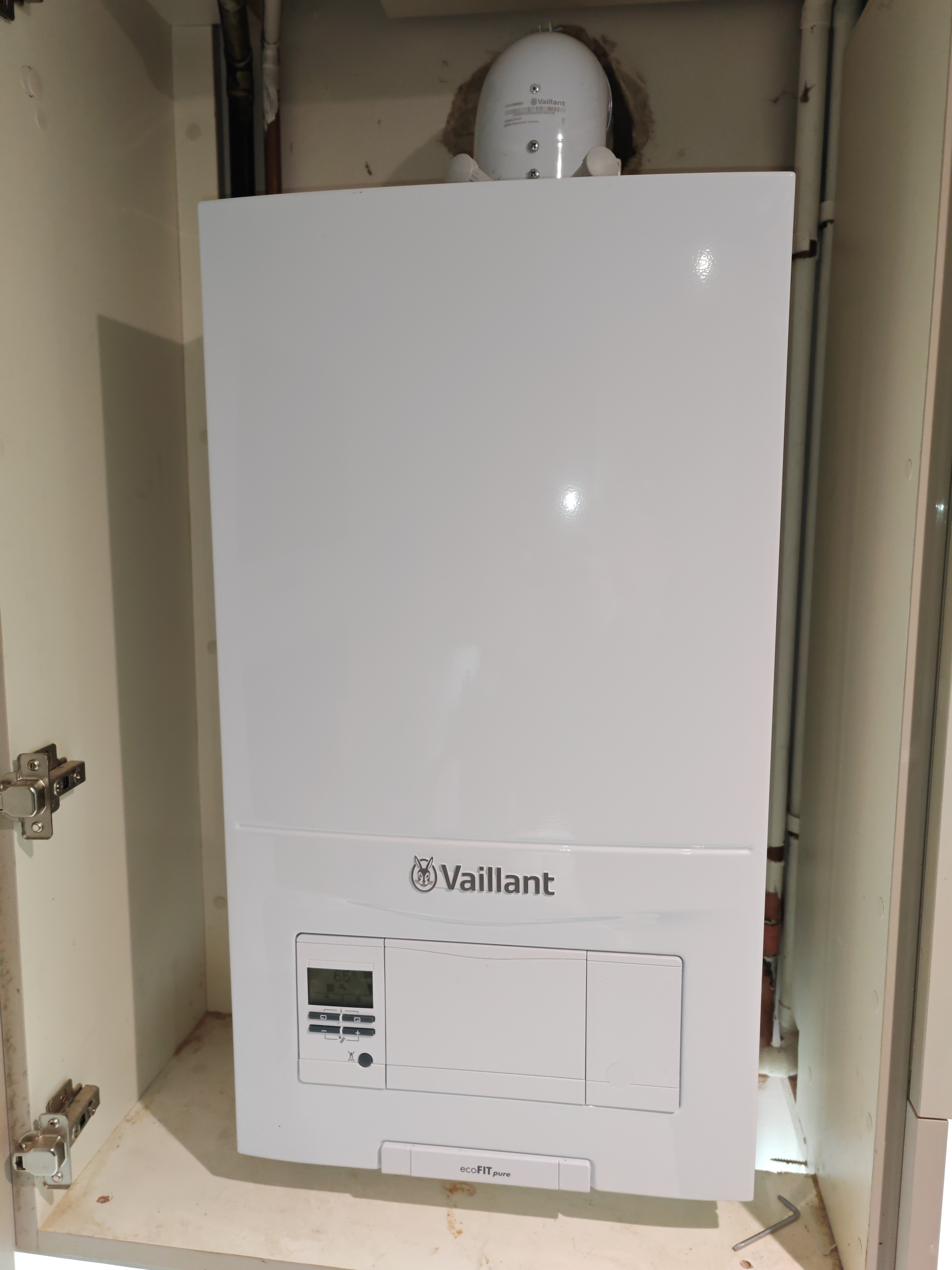
For maintenance, both systems require annual attention. A combi needs its boiler serviced, while an unvented cylinder needs its safety components checked yearly. In terms of lifespan, unvented cylinders generally outlast combi boilers. A combi boiler is a complex machine with many moving parts working hard, whereas an unvented cylinder is a simpler, robust pressure vessel. This difference impacts long-term reliability and the frequency of significant repairs or replacement.

  • Combi: Annual boiler service
  • Unvented: Annual safety component check
  • Unvented cylinders generally outlast combi boilers

The Detail: Wear Points and Lifespan Expectations

A combi boiler integrates the heating and hot water functions into one unit. This means components like the diverter valve, plate heat exchanger, and pumps are constantly working. These parts are subject to wear, particularly in hard water areas, affecting efficiency and eventually requiring replacement. Lifespan for a modern combi typically ranges from 10-15 years, dependent on usage, water quality, and consistent servicing. Unvented cylinders, on the other hand, are essentially well-insulated hot water tanks. Their main wear points are the immersion heater elements, if fitted, and the expansion vessel, which can lose pressure over time. The cylinder itself can easily last 20+ years, often significantly longer, provided the safety components are routinely maintained and replaced when necessary.

  • Combi: Diverter valve, plate heat exchanger, pump wear points
  • Combi: 10-15 year typical lifespan
  • Unvented: Immersion heater, expansion vessel wear points
  • Unvented: 20+ year typical lifespan

Exceptions: When Context Changes the Equation

While the general rules hold, some factors can shift the balance. In smaller properties, such as modern apartments near Wallgate quarter, where space is extremely limited, the compact size of a combi might override the longevity advantage of an unvented cylinder. The cost and disruption of installing the required discharge route for an unvented system could be disproportionate. Conversely, for a large Victorian terrace in Whelley with multiple bathrooms, the high flow rate and extended lifespan of an unvented cylinder make its installation and ongoing maintenance a more economical long-term choice, despite the upfront space requirement. Boiler models also vary; a premium combi might approach the lifespan of a basic unvented cylinder.

  • Small spaces favour combi due to footprint
  • Large properties benefit from unvented longevity
  • Premium combis may close the lifespan gap
  • Installation constraints can be a factor

Typical unvented cylinder vs combi — maintenance and lifespan work in Wigan

For Wigan householders and landlords dealing with maintenance and lifespan. Local housing stock — Victorian terraces round Whelley, 1930s semis toward Beech Hill and modern apartments near Wallgate quarter — shapes how this work is carried out.

  • Planning for long-term hot water costs
  • Assessing system reliability over decades
  • Considering property resale value impact
  • Budgeting for future replacement cycles
  • Evaluating installation complexity vs. lifespan

Why locals choose Brogas here

As Gas Safe registered engineers, we conduct thorough inspections of your hot water system. We check all critical components, ensure compliance with current regulations, and provide a detailed report, giving you peace of mind that your system is operating safely and efficiently. We leave you with a clear understanding of its condition.

Wigan FAQs — unvented cylinder vs combi — maintenance and lifespan

Does servicing an unvented cylinder differ from a standard boiler service?+

Yes, absolutely. A combi boiler service focuses on combustion analysis, gas integrity, and operational checks of heating and hot water functions. An unvented cylinder service specifically checks the pressure relief valves, expansion vessel, temperature relief valves, and ensures the discharge pipework is clear and correct. Both are critical for safety and efficiency.

What's the most common failure point for an unvented cylinder?+

For an unvented cylinder, common failure points often relate to the pressure and temperature relief valves failing or the expansion vessel losing its charge. These are safety components designed to protect the system. Immersion heaters, if used as a heat source, can also fail due to mineral buildup over time. Regular servicing helps identify these issues before they become critical.

Can hard water in Wigan affect system lifespan?+

Yes, hard water in areas like Wigan can indeed affect the lifespan of both systems, though differently. For combi boilers, limescale buildup in the plate heat exchanger and hot water coil can reduce efficiency and lead to blockages. For unvented cylinders, immersion heaters can become scaled, reducing their effectiveness and eventually failing. Water softeners or scale reducers can mitigate these effects.

How can I maximise the lifespan of my chosen hot water system?+

The single best way to maximise the lifespan of either a combi boiler or an unvented cylinder is consistent, annual servicing by a Gas Safe registered engineer. Beyond that, maintaining good water quality with appropriate inhibitors or softeners, and addressing any minor issues promptly rather than letting them escalate, will significantly contribute to system longevity. Follow manufacturer guidelines for optimal performance.

In summary

Choosing between a combi and unvented cylinder involves considering long-term maintenance and lifespan. Unvented cylinders generally offer greater longevity with focused annual safety checks, while combi boilers require annual boiler servicing and typically have a shorter overall working life.