
Next-day callout slots available for Wigan & surrounding areas

The Common Culprit: Expansion Vessel

The vast majority of calls about boiler pressure dropping lead back to the expansion vessel. This component helps maintain stable pressure in your sealed heating system. If it's failed or under-charged, the system pressure will fluctuate wildly, often dropping when cold and rising excessively when hot. On a visit, we'll connect a pressure gauge to the vessel's Schraeder valve to verify its charge. If it's low, we'll recharge it. If it's failed internally, we'll advise on replacement. We then re-pressurise the system to the manufacturer's recommended level.

  • Test expansion vessel pressure directly.
  • Recharge vessel if under-charged.
  • Advise on vessel replacement if failed.
  • Re-pressurise the system to spec.

Checking for External Leaks: PRV and System Components

Once we've ruled out the expansion vessel, the next step is to look for physical leaks. We'll inspect the pressure relief valve (PRV) discharge pipe, which usually runs outside. If it's dripping or stained, the PRV is passing, allowing water (and thus pressure) to escape. We also check common points of failure within your home's heating system: radiator valve glands, especially on older installations, and towel rail joints. These can develop slow, 'weeping' leaks that aren't always obvious but still cause pressure loss over time.

  • Inspect PRV discharge pipe for leaks.
  • Examine radiator valve glands.
  • Check towel rail joints for seeping.
  • Advise on PRV or component replacement.

The Awkward Case: Buried Pipework or Internal Boiler Issues

If the above checks don't reveal the cause, we move onto less common, and often more disruptive, possibilities. This includes pressurising the system with a dedicated pressure test kit to see if the system holds pressure over time, isolating sections if necessary. This can help identify potential buried pipework leaks under floors, which are particularly prevalent in older terraced properties and the 1990s–2000s developer estates common around Westhoughton. Finally, we'll check the boiler's internal components, such as the auto air vent, for small, persistent leaks.

  • Conduct system pressure test.
  • Investigate for buried pipework leaks.
  • Examine boiler's auto air vent.
  • Pinpoint the exact source of pressure loss.

Typical boiler losing pressure — what happens on the visit work in Westhoughton

For Westhoughton householders and landlords dealing with what happens on the visit. Local housing stock — 1990s–2000s developer estates alongside older terraces around Market Street — shapes how this work is carried out.

  • Boiler pressure drops after topping up.
  • You find water around the boiler or pipes.
  • System pressure gauge fluctuates wildly.
  • Heating system needs frequent water top-ups.
  • You hear unusual dripping noises.

Why locals choose Brogas here

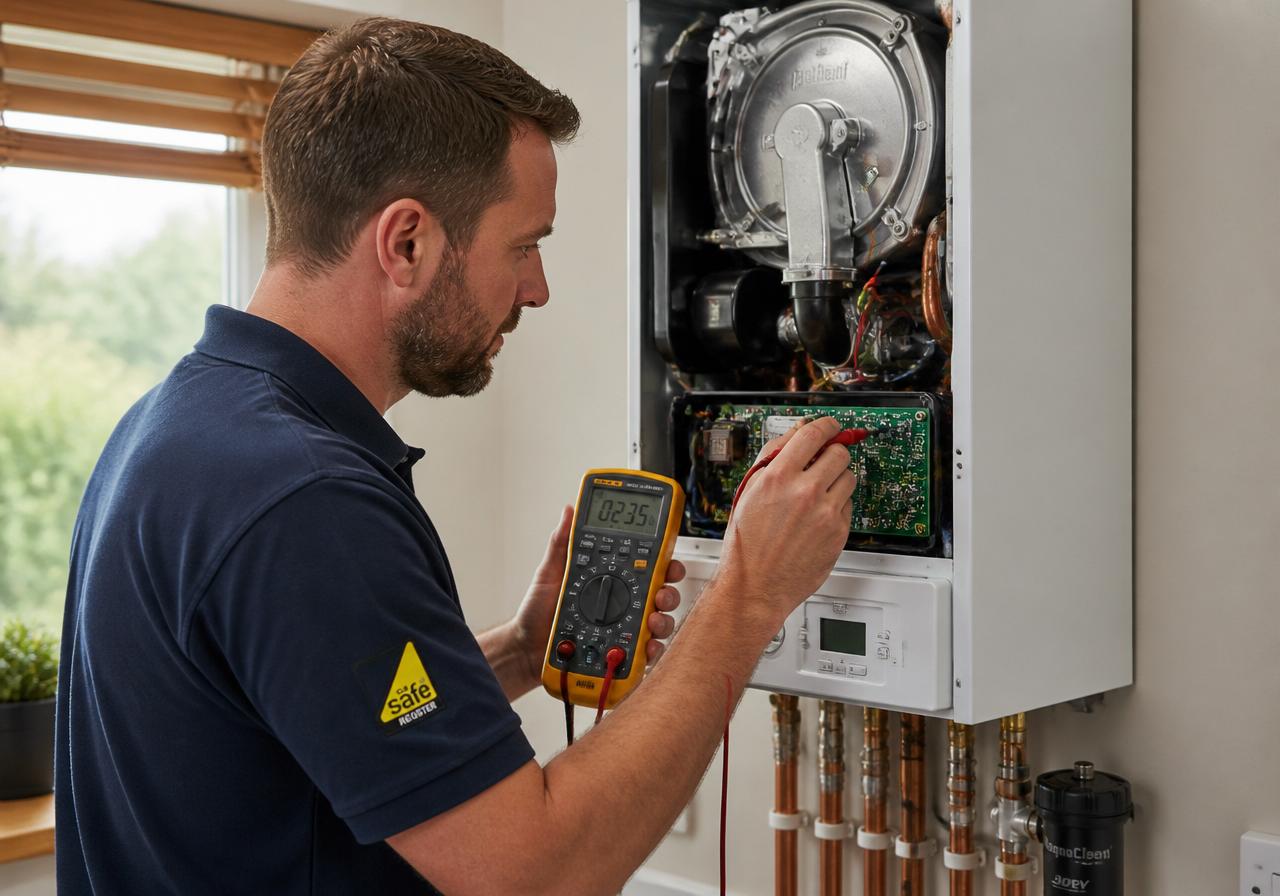
As Gas Safe registered engineers for Brogas, we systematically diagnose your boiler's pressure loss. We don't guess. We test the expansion vessel, inspect external components, and pressure-test the system, leaving you with a clear understanding of the fault and the recommended solution.

Westhoughton FAQs — boiler losing pressure — what happens on the visit

Why shouldn't I just keep topping up my boiler?+

Repeatedly topping up means water is escaping somewhere. This can introduce fresh oxygen into the system, accelerating corrosion, and masking a potentially damaging leak. It's always best to find and fix the root cause.

How long does it take to diagnose a pressure drop?+

A typical diagnostic visit for a pressure drop usually takes between one to two hours, depending on the complexity of the fault. Simple issues like an under-charged expansion vessel are often resolved quickly, while tracking down a buried leak takes longer.

Will I need new parts during the visit?+

It's possible. If the expansion vessel has failed, or a valve or component is leaking, replacement parts will be needed. We carry common spares, but specific parts might need to be ordered. We always discuss options with you first.

What if the leak is under my floor?+

If we suspect a leak under a floor, our diagnostic testing will confirm it. We’ll then discuss the best course of action for locating and repairing it, which may involve additional work beyond the initial diagnostic visit.

In summary

Brogas, Gas Safe registered engineers, methodically diagnose boiler pressure loss. We test the expansion vessel, check for leaks, and use pressure testing to pinpoint the exact fault, providing a clear solution.