
Next-day callout slots available for Wigan & surrounding areas
Postcode
WN6
Council
Wigan Council
Nearest road
A49 / M6 J27
From Wigan
3.5 miles north

Why locals choose Brogas here

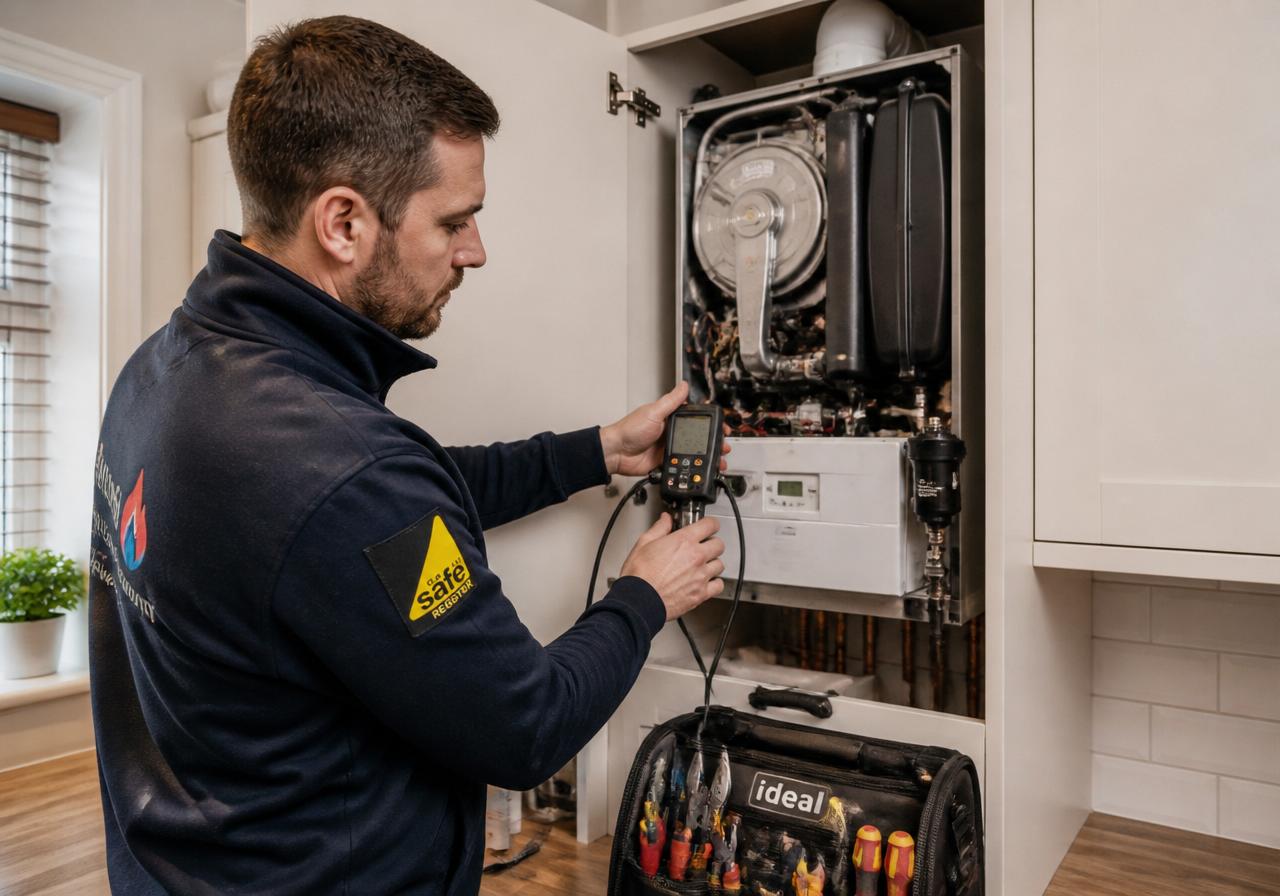
Brogas is a Gas Safe registered plumbing and heating business covering Wigan and the surrounding towns. We meticulously diagnose heating issues, assessing your system's type and age. You'll receive a clear explanation of the problem and honest recommendations for resolution, ensuring lasting warmth.

Typical radiators cold at the bottom — how it differs by system type and age work in Standish

For Standish householders and landlords dealing with how it differs by system type and age. Local housing stock — 1930s bay-fronted semis on Rectory Lane and newer estates off Almond Brook Road — shapes how this work is carried out.

  • My combi-fed radiator is cold at the bottom after a few years.
  • My old gravity-fed system has a couple of sluggish radiators.
  • I've never had my heating system inhibited.
  • I suspect old steel radiators are the root cause.
  • The issue affects heating, but not my hot water from the cylinder.

Combi Boiler Systems: Early Indicators & Speed

With a combi boiler, you often notice this issue sooner, and it can affect heat output more dramatically. Combi systems generally have smaller pipework and less water volume circulating. This means sludge buildup can restrict flow more quickly, leading to uneven heat. Because they heat water on demand, any flow restriction can reduce the boiler's efficiency directly. We'll be checking not just the radiator, but also the differential pressure across the pump and the heat exchanger health, as these are often the first points of compromise on a combi system.

  • Smaller pipework, quicker flow restriction
  • Direct impact on hot water production
  • Pump and heat exchanger strain
  • Often manifests as colder rooms overall

System & Regular Boilers: Gradual Decline & Larger Systems

Older system or regular (gravity-fed or open vent) boiler setups, common in some of Standish's 1930s properties, tend to develop this problem more gradually. With larger water volumes and often larger bore pipework, sludge can accumulate over many years before becoming overtly noticeable. You might find one or two radiators become problematic first, rather than a whole house issue initially. The primary difference is the presence of an expansion tank and often a hot water cylinder, meaning the system can 'hide' some flow issues for longer. We focus on the manifold and primary pipework for widespread sludge signs.

  • Slower onset of symptoms
  • Larger pipework, more 'buffering' capacity
  • Often affects individual radiators first
  • Hot water production generally unaffected directly

Age of System & Radiator Material: Corrosion Rates

The age of your system and the type of radiators make a big difference. Older steel radiators, especially those installed before modern manufacturing and installation standards, are more prone to internal corrosion. This directly feeds the magnetite sludge problem. A system that's never had inhibitor added, or where it's long since been exhausted, will corrode faster regardless of age. We look for corrosion on the radiator valves, pipework, and visually inspect where possible. This tells us a lot about the system's history and how aggressive the corrosion has been over time, guiding our recommendations for a chemical clean or power flush.

  • Older steel radiators corrode more easily
  • Lack of inhibitor accelerates sludge formation
  • Visual inspection of radiator valves/pipework
  • Direct link to internal system integrity

Standish FAQs — radiators cold at the bottom — how it differs by system type and age

Why does bleeding not fix a radiator cold at the bottom?+

Bleeding removes trapped air from the top of the radiator. Cold at the bottom means solid particulate matter – magnetite sludge – has settled in the lower channels. Air is gas; sludge is solid. Bleeding simply won't touch solid deposits.

Can a single problematic radiator be fixed without treating the whole system?+

Sometimes, yes. If only one radiator is consistently cold at the bottom while all others perform well, we can often isolate, remove, and manually flush that specific radiator. However, this is a symptom, and we'd still recommend checking the system's overall inhibitor level.

What's a magnetic filter and why is it important?+

A magnetic filter is a device installed on your heating system's return pipework. It uses powerful magnets to capture magnetic debris, like magnetite sludge, before it re-enters your boiler. This prevents further buildup and protects your boiler's components. It’s a vital component for system longevity.

How can I tell if my system has inhibitor or if it's exhausted?+

We use specialist testing kits to check the chemical composition of your heating system water. This tells us the current level of corrosion inhibitor and if it's still effective. It's a quick and essential diagnostic step we perform as part of our assessment.

In summary

Cold radiators at the bottom signal sludge. We tailor our diagnostics and solutions based on your system type (combi, system, regular) and age, common in Standish, ensuring effective and lasting heating repairs.

Get a Standish quote

Free · No obligation

Get Your Free Quote

We'll respond the same working day.

We reply to every enquiry within one working day.